Last updated November 23, 2026
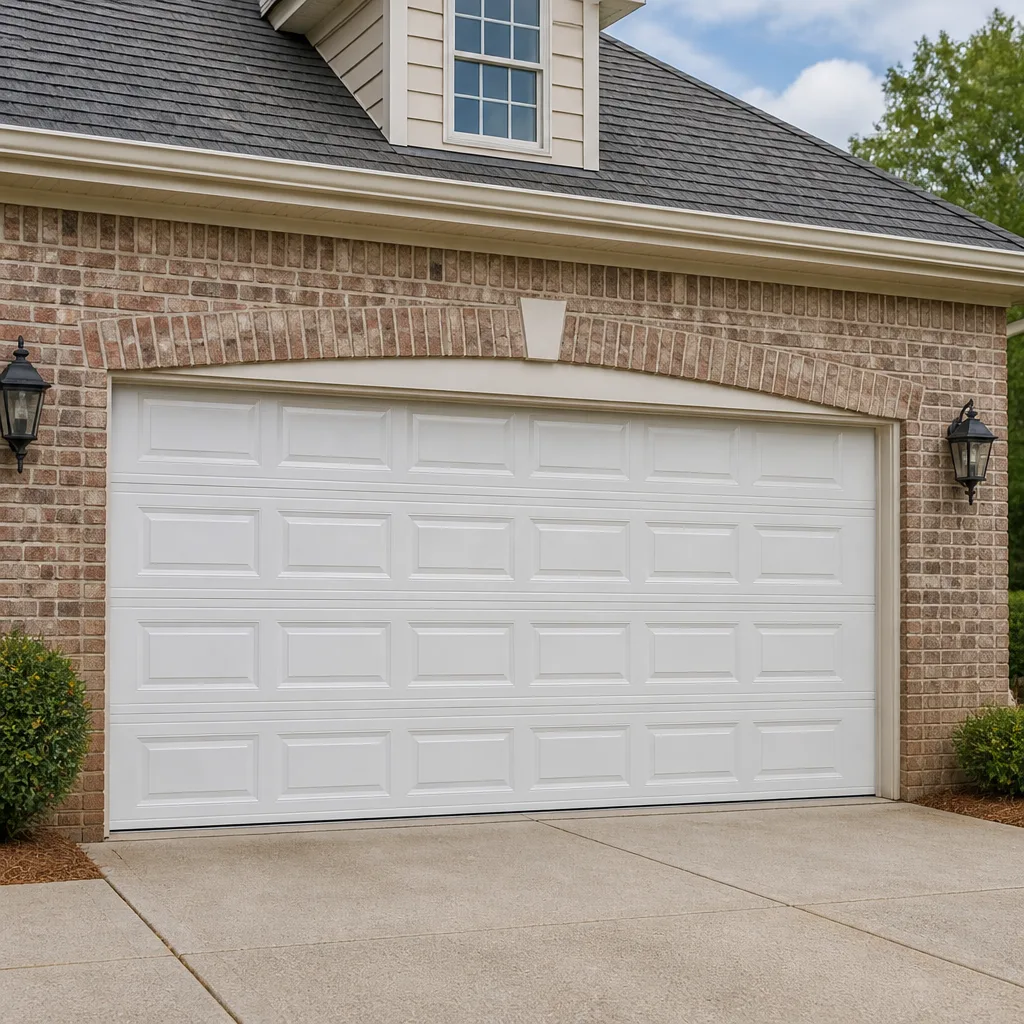 Raised-panel steel
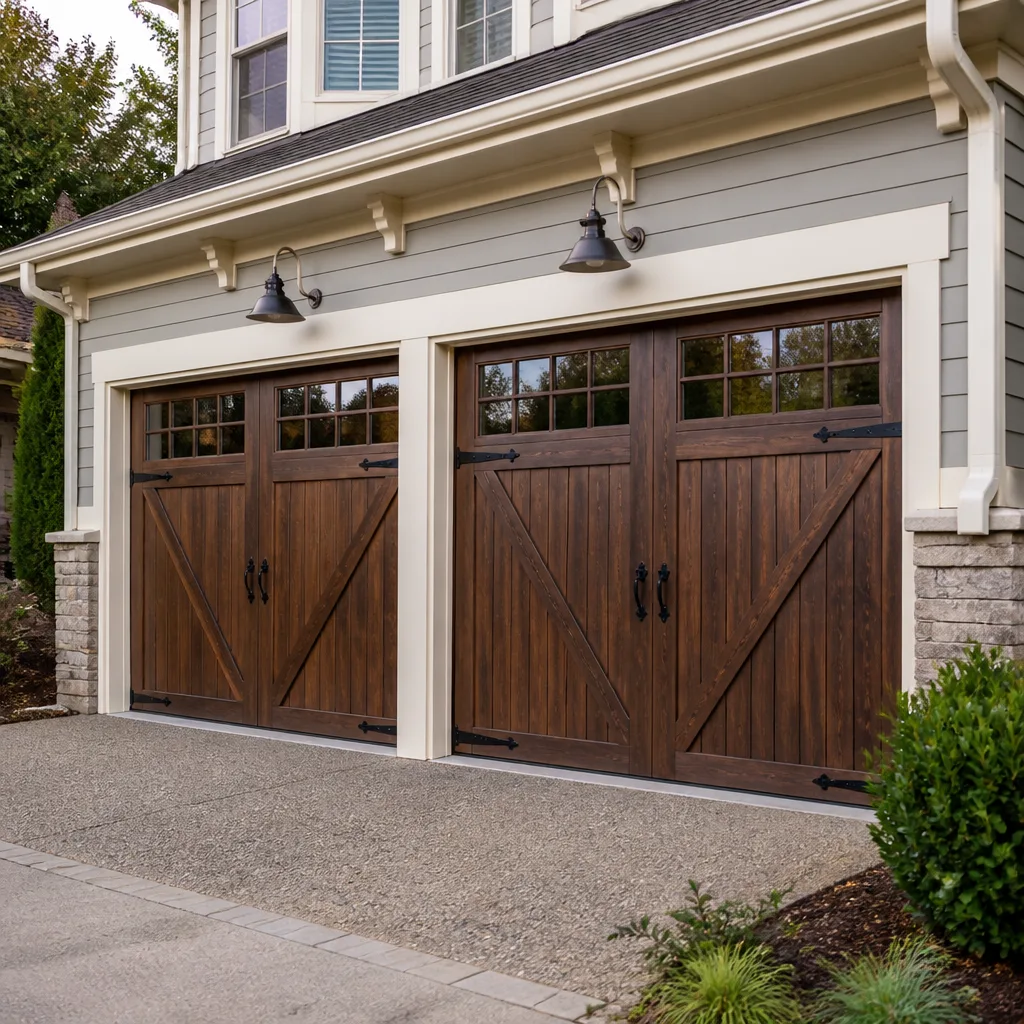 Carriage house
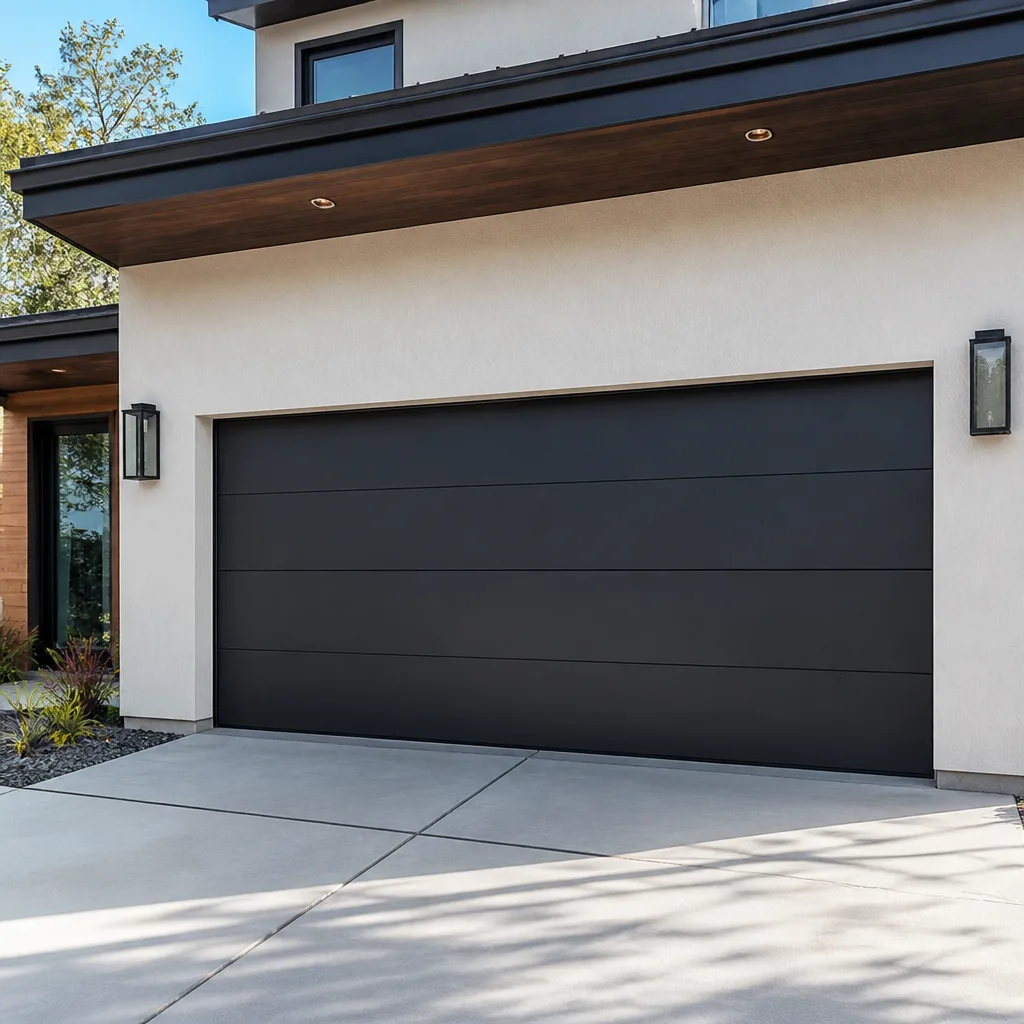 Modern flush
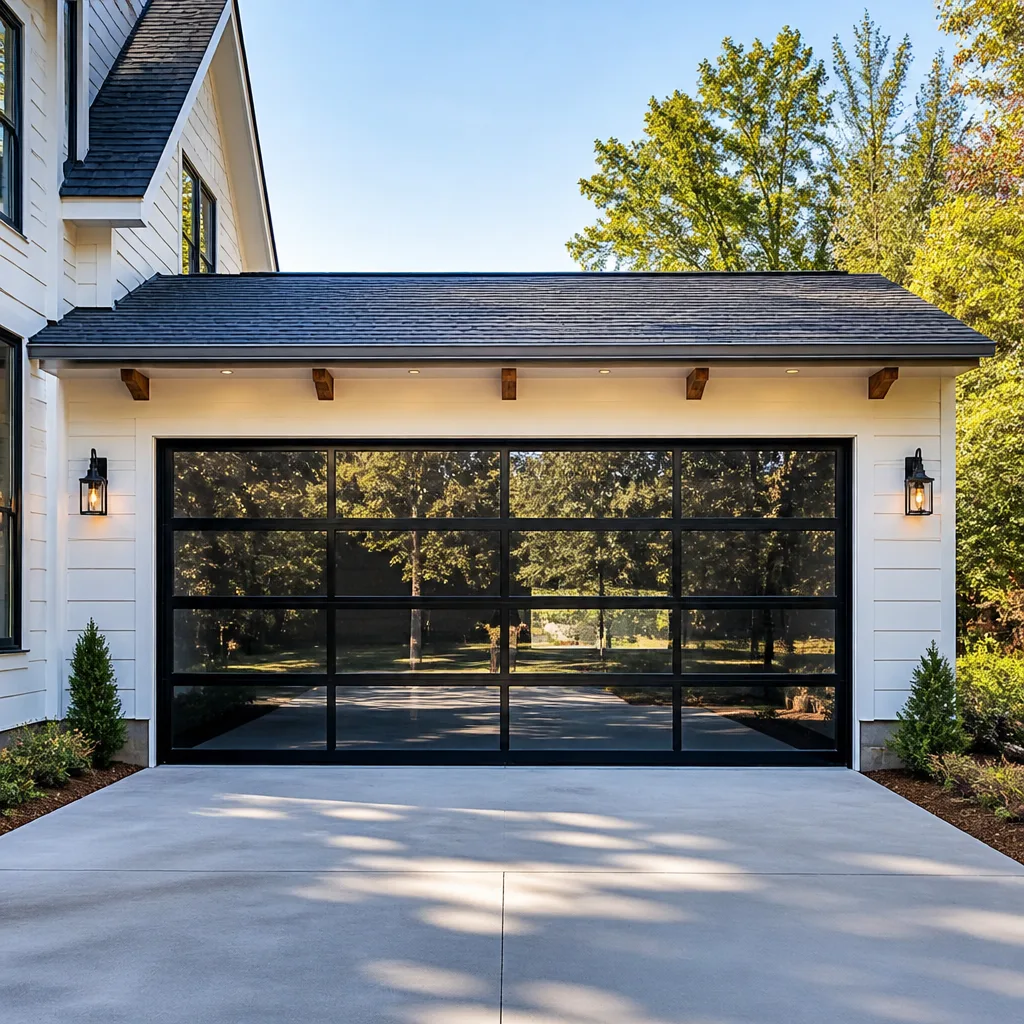 Full-view glass
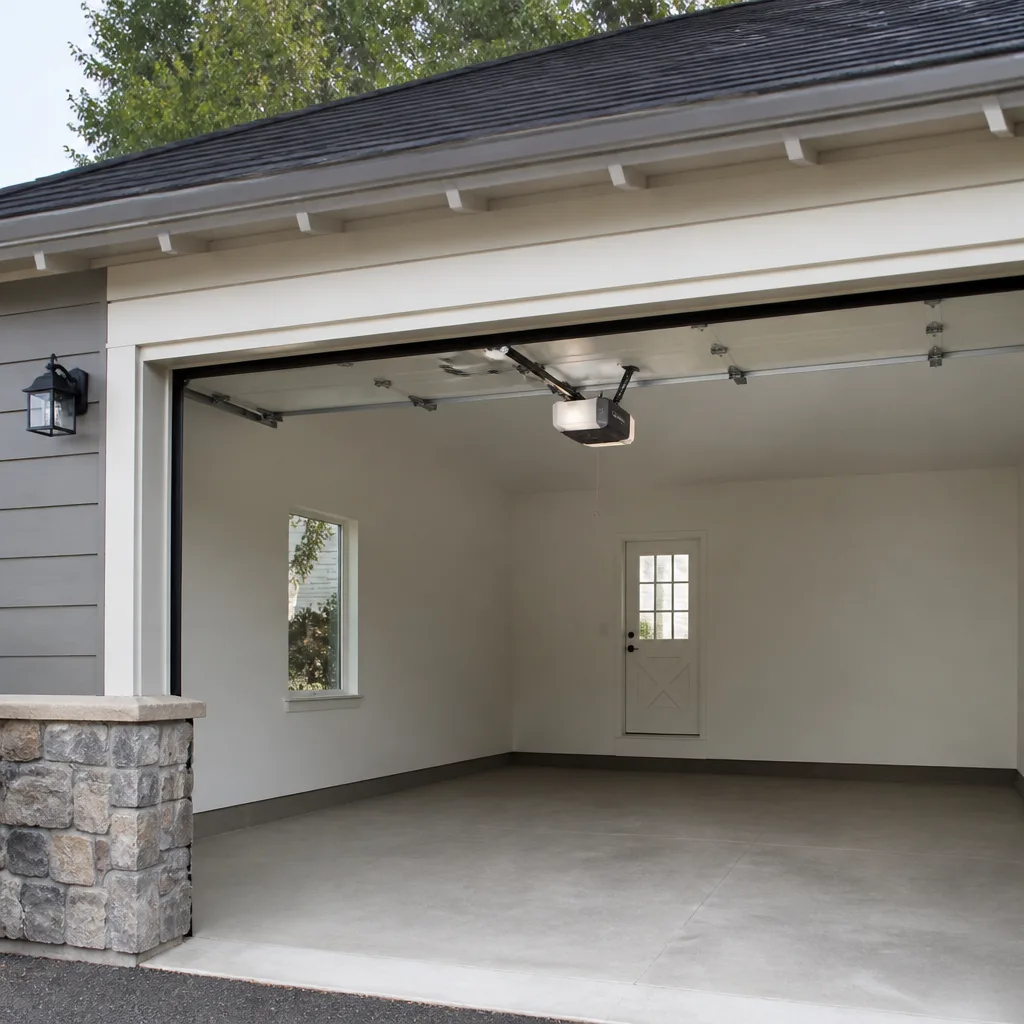 LiftMaster openers
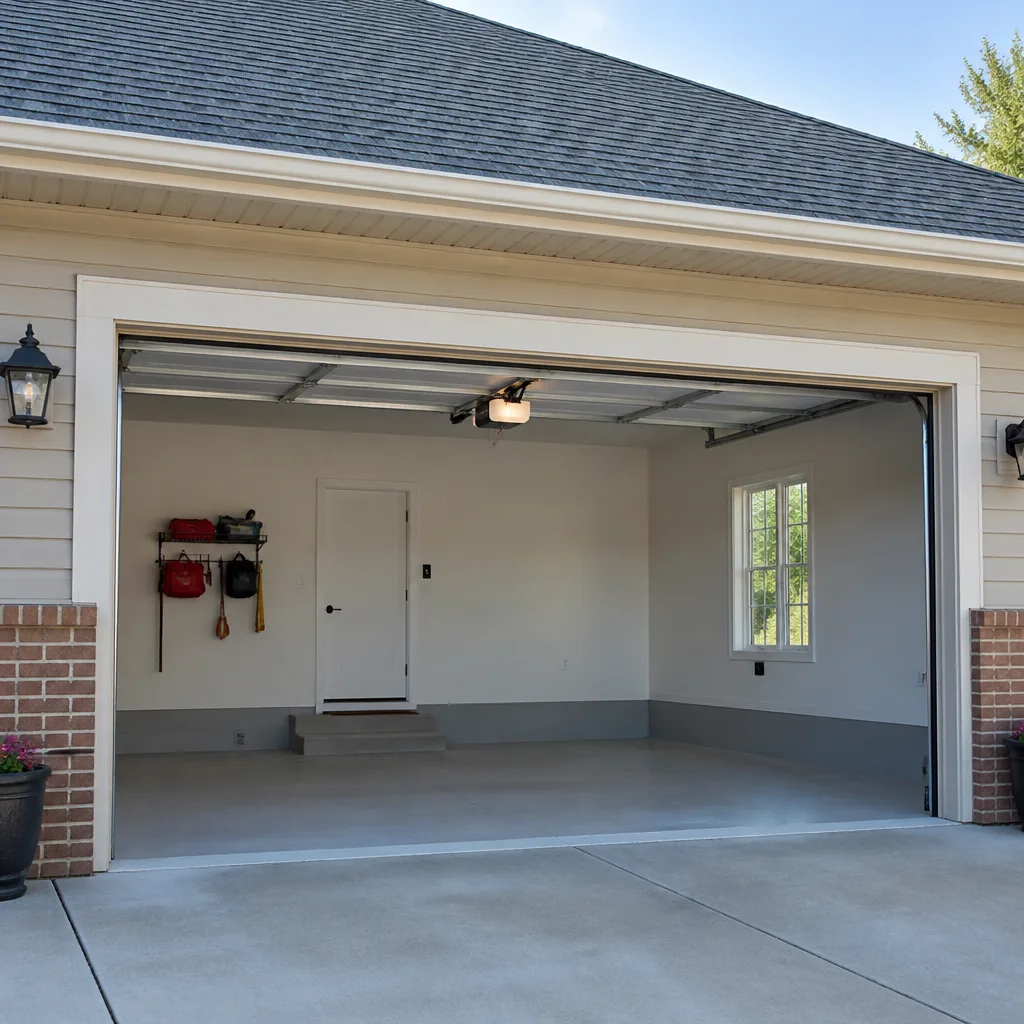 Chamberlain openers
Full 25-point door and opener safety check with every visit - springs, cables, rollers, tracks, and your LiftMaster or Chamberlain opener included
You get a price before we start. It does not change when the pro arrives.
Get your free estimateGarage Door Warning Signs: A Hempfield Township Homeowner’s Reference Guide
A garage door that hesitates for half a second before it moves isn’t “getting old.” In most cases it’s a torsion spring that has been losing tension for weeks, and by the time you notice that pause, it may have only a couple hundred cycles left before it lets go completely. The same is true of almost every major failure we see: the door tells you it’s in trouble long before it stops working. The problem is that most Hempfield Township homeowners don’t know what they’re listening for. This guide walks through the specific mechanical signals a failing door produces, what each one points to, and which ones mean stop using the door today. Read it once and you’ll be able to diagnose your own door before a repair turns into an emergency.
Quick Answer
The most important garage door warning signs are a grinding or scraping sound (worn rollers or hinges), a sharp pop (a cable jumping its drum), a door that hangs crooked or gaps on one side (cable failure, not a track issue), and an opener that moves slowly, stops mid-cycle, or reverses on its own (each points to a different root cause). A loud bang from above the door means a torsion spring has broken and the door should not be used until it’s repaired. Any sign that involves sound from the springs, cables, or a crooked door is a same-day call, not a wait-and-see.
Styles & brands we work with
- Raised-panel steel
- Carriage house
- Modern flush
- Full-view glass
- LiftMaster openers
- Chamberlain openers
Table of Contents
- What your door’s sounds are telling you: grinding, popping, and banging
- Why a crooked door or a gap on one side means cable, not track
- Using opener behavior to diagnose mechanical health
- The cold-morning sluggishness test: temperature or failing part?
- Urgency tiers: what to stop using today vs. what to monitor
- The 5-minute visual inspection any homeowner can do
- Brand-specific failure patterns: LiftMaster, Chamberlain, Craftsman, Raynor
- Common mistakes to avoid
What Your Door’s Sounds Are Telling You: Grinding, Popping, and Banging
Sound is the earliest and most reliable diagnostic tool a garage door gives you. Different failure modes produce distinctly different noises, and once you can tell them apart you’ll know whether you’re dealing with a wear item you can schedule or a safety component that needs immediate attention. In Hempfield Township, where doors cycle through humid summers and hard freezes, the sound profile changes with the seasons, which is why it’s worth paying attention to what your door sounds like on a normal day so you notice when it changes.
Grinding or scraping is almost always a moving metal part that has lost its lubrication or worn down. The usual suspects are nylon or steel rollers with flat spots, dry hinges, or a torsion tube that needs grease. Grinding is the mildest of the three sounds and usually means a tune-up will solve it. Left alone, a seized roller will start to wear the track and eventually bind the door.
A sharp pop or snap is the sound of a cable jumping off its drum or slipping a fitting. It often happens right as the door starts to lift, when tension is highest. A popped cable is serious: it can whip loose and it removes the safety backup that keeps the door from crashing down if the spring fails. If you hear a pop and the door suddenly runs unevenly, stop cycling it.
A loud bang from above the door, often followed by the door feeling suddenly very heavy or refusing to lift, is the classic sound of a broken torsion spring. Springs are a safety component. They store enough energy to do real damage, and a door with a broken spring should not be operated by hand or by the opener until it’s repaired. For that specific failure, see our garage door spring repair page.
If you can’t place the sound, describe it when you call. A technician who has heard a few thousand doors can usually narrow it down over the phone.
Why a Crooked Door or a Gap on One Side Means Cable, Not Track
When a door hangs visibly crooked, most homeowners assume the track has bent. That’s the wrong diagnosis more often than not, and getting it right matters because a cable problem is more urgent than a track problem. A door that’s off-level because of a loose or frayed cable can drop suddenly; a door that’s off-level because of a bent track usually just binds and grinds.
Here’s the distinction to look for. Walk outside and look at the gap between the bottom of the door and the floor. If the gap is even across the width, your track and door are square. If one side sits higher than the other, or if the door looks like it’s leaning, a cable has lost tension or slipped on its drum. The same is true of a door that binds on one side as it rises. The cable on the slack side isn’t pulling evenly, and the door is riding up on the good cable alone.
Track damage looks different. A bent track produces a visible kink when you sight down its length, and the door will typically catch or jump at one specific point in its travel rather than hanging crooked the whole way up. You can also usually see the rollers riding out of the track channel.
Why the cable diagnosis matters for urgency: cables are under the same tension as the springs, and a frayed or slipped cable is a load-bearing failure, not a wear item. If your door is crooked, don’t run it up and down to “see if it fixes itself.” Call for garage door repair and describe the gap. A technician will tell you whether it’s safe to cycle the door at all before they arrive.
Using Opener Behavior to Diagnose Mechanical Health
Your opener is one of the best diagnostic tools you have, because it reacts to the door’s mechanical condition in predictable ways. Most people treat opener misbehavior as an opener problem, but in our experience a lot of it is the opener correctly reporting that the door is getting harder to move. Separating the two matters, because an opener repair and a door repair are different jobs.
Three opener behaviors point to three different root causes:
- Slow travel speed. The door moves more slowly than it used to, or the opener seems to strain. This usually means the door has more friction or weight than the opener is rated for: dry rollers, a sagging panel, or a spring that has lost some tension. The opener isn’t failing; it’s working harder against a door that needs service.
- Stopping mid-cycle. The door starts up or down and stops partway, often with the opener’s light flashing. This is usually a safety sensor or a force-adjustment issue, but it can also be the opener hitting a binding point and cutting out to protect the motor. If it stops at the same spot every time, look for a mechanical bind there.
- Reversing unprompted. The door starts down and goes back up on its own, or reverses before it reaches the floor. That’s almost always a safety sensor problem (misaligned, dirty, or a sun reflection hitting it) or a force setting that’s too sensitive. It’s the most common opener call we get during the low-sun months in Hempfield Township, when afternoon light hits a sensor straight-on.
If the opener is doing any of these, don’t assume you need a new one. Our garage door opener repair service covers the major smart and legacy opener brands, and we test the door before we test the motor. Repair first, replace only when it makes sense.
The Cold-Morning Sluggishness Test: Temperature or Failing Part?
Every winter in Hempfield Township, doors get stiff. Cold thickens the grease in the rollers and hinges, and metal contracts slightly. A door that’s a little slower and a little noisier on a 20-degree morning is normal. A door that has to be coaxed, or that won’t go up at all, is not, and telling the two apart is a simple test you can run at home.
The test: on a cold morning, when the door is sluggish, watch it cycle all the way open and all the way closed, then cycle it a second time a few minutes later when the mechanism has warmed up. If the door moves noticeably better on the second cycle, you’re dealing with temperature, and a tune-up and fresh lubrication will smooth it out. If it’s just as sluggish on the second and third cycle, the problem is a failing component, not the cold.
Here’s why the second-cycle test works. Temperature-related stiffness eases as the grease in the moving parts warms and spreads. Component failures don’t care about temperature: a worn roller stays worn, and a spring that’s lost tension stays slack. So a door that’s still slow on the third cycle has a part on the way out.
One cold-weather caveat worth knowing: if a door won’t move at all in freezing temperatures and the opener hums without moving the door, don’t keep cycling it. In rare cases, ice can seal the bottom seal to the floor, which makes the opener strain against a door that isn’t going to move. Clear the seal and try once more. If the door still won’t go, that’s a call.
Urgency Tiers: What to Stop Using Today vs. What to Monitor
Not every warning sign is an emergency, and knowing which tier yours falls into saves you both worry and money. We sort the signs into three tiers when we talk to Hempfield Township homeowners on the phone. The tier tells you whether to stop using the door now, call within a day or two, or just add it to the next tune-up.
Tier 1: Stop using the door today
- A loud bang from above the door, followed by the door feeling heavy or refusing to lift (broken spring).
- The door hanging crooked or gapping on one side (slipped or frayed cable).
- A cable visibly hanging loose, kinked, or off its drum.
- The door came off its track or is stuck partway and won’t move freely.
For any of these, don’t cycle the door by opener or by hand. Springs and cables carry load, and trying to force a door through a load-bearing failure is where injuries happen. Call and describe what you’re seeing.
Tier 2: Call within a day or two
- Grinding or popping that’s new or getting worse.
- Opener stopping mid-cycle or reversing on its own.
- The door feels noticeably heavier when you lift it by hand (with the opener disengaged).
- Any sign that appeared suddenly rather than gradually.
These are signs a part is failing but the door is still functional. You have a little time, but not weeks. A schedule slot now beats an after-failure repair.
Tier 3: Monitor and address at your next service
- Gradual noise increase over months.
- Slight stiffness on cold mornings that clears up.
- Cosmetic wear on rollers, hinges, or the bottom seal.
- A door that’s a bit louder than it used to be but otherwise operates normally.
Tier 3 signs are your door asking for lubrication and a tune-up. Handle them at your convenience and you avoid most Tier 1 and Tier 2 failures entirely.
The 5-Minute Visual Inspection Any Homeowner Can Do
Sound tells you what’s happening; sight tells you what’s about to happen. A five-minute walk-around once a month catches most developing problems. Here’s the walkthrough we suggest to Hempfield Township homeowners, in order.
- Look at the door from outside, closed. The gap along the bottom should be even. A door that’s higher on one side is a cable warning.
- Sight down each vertical track. Look for bends, dents, or kinks. A straight track on both sides rules out track damage as the cause of a crooked door.
- Check the rollers. Each roller should sit fully inside the track channel. A roller that’s popped out or that you can wiggle by hand is worn.
- Look at the cables. With the door down, the cables run along each side. Frayed strands, kinks, or cables that look slack instead of taut are a stop-using signal.
- Check the hinges and bottom brackets for rust or looseness. Loose hinge bolts cause most grinding noises.
- Disengage the opener and lift the door by hand. With the opener released, a balanced door lifts easily and stays put at any height. A door that’s hard to lift or that drops when you let go has a spring or balance problem.
That last step is the single most useful test in the list. A door that’s hard to lift by hand is telling you the opener is compensating for a spring that’s no longer doing its job. Don’t run the door on the opener more than you have to once you’ve found that out.
Brand-Specific Failure Patterns: LiftMaster, Chamberlain, Craftsman, Raynor
Different systems fail in different ways, and knowing your brand shortens the diagnostic process. We service eight major garage door and opener brands, and the technicians get to know the tolerances and failure patterns of each. A few worth knowing if you have one of these at home.
LiftMaster and Chamberlain openers (which share a lot of engineering under the hood) are common in Hempfield Township garages, and their failure patterns are the ones we see most: safety sensor misalignment, force settings that drift over time, and occasionally a logic board that stops responding to the remote. A LiftMaster or Chamberlain opener that reverses on its own is almost always a sensor or force issue, not a dead motor.
Craftsman openers, many of which are older units still in service, tend to develop gear wear and travel-limit problems as they age. A Craftsman that stops short or runs past its limit switch is showing a classic sign of worn internal gearing, and a repair is often the right answer before a full replacement.
Raynor doors and openers are built for commercial-grade durability, which means their failure patterns are quieter than most. A Raynor door that feels heavy or sluggish is usually showing spring wear rather than an opener problem, because the door hardware outlasts the spring cycle count.
Whatever brand you have, the diagnostic logic is the same: sound first, sight second, opener behavior third. If you’re not sure which brand you own, look at the opener housing or the door’s bottom bracket; the model is stamped on both.
Common Mistakes to Avoid
- Assuming a crooked door is a track problem. Most crooked doors have a cable issue, not a bent track. Calling it a track problem and trying to “straighten” it yourself can turn a repair into a dangerous situation. Look at the bottom gap first; even gap means track, uneven gap means cable.
- Ignoring a grinding noise until the door stops. Grinding is an early warning. Waiting until the door sticks or stops turns a tune-up into a roller-and-track repair. In our area, the humid summer months are when dry rollers start to seize, so a spring-time lubrication keeps them quiet through the season.
- Spraying the springs or cables with lubricant to stop a noise. That’s a common do-it-yourself mistake and it doesn’t fix the underlying problem. Springs and cables are under load, and a lubricated spring can hide a failing one. Only a technician should touch them.
- Replacing the opener when the door is the problem. Slow travel, stopping mid-cycle, and reversing are often door or sensor issues. Before you buy a new opener, have the door tested. A lot of “dead openers” we see are actually doors that are hard to move.
- Running a door with a broken spring to “get the car out.” Don’t. A door with a broken spring can fall if opened, and the opener is pulling against dead weight. Park outside and call.
- Putting off a cold-morning stiffness call until spring. A door that’s slow in winter but fine in spring may be masking a part on the way out. If the second-cycle test doesn’t clear it up, have it checked before the season turns.
- Assuming every brand is serviced the same way. A LiftMaster, a Craftsman, and a Raynor each have different force settings, travel limits, and sensor behavior. Tell the technician your brand when you call; it saves a diagnostic step.
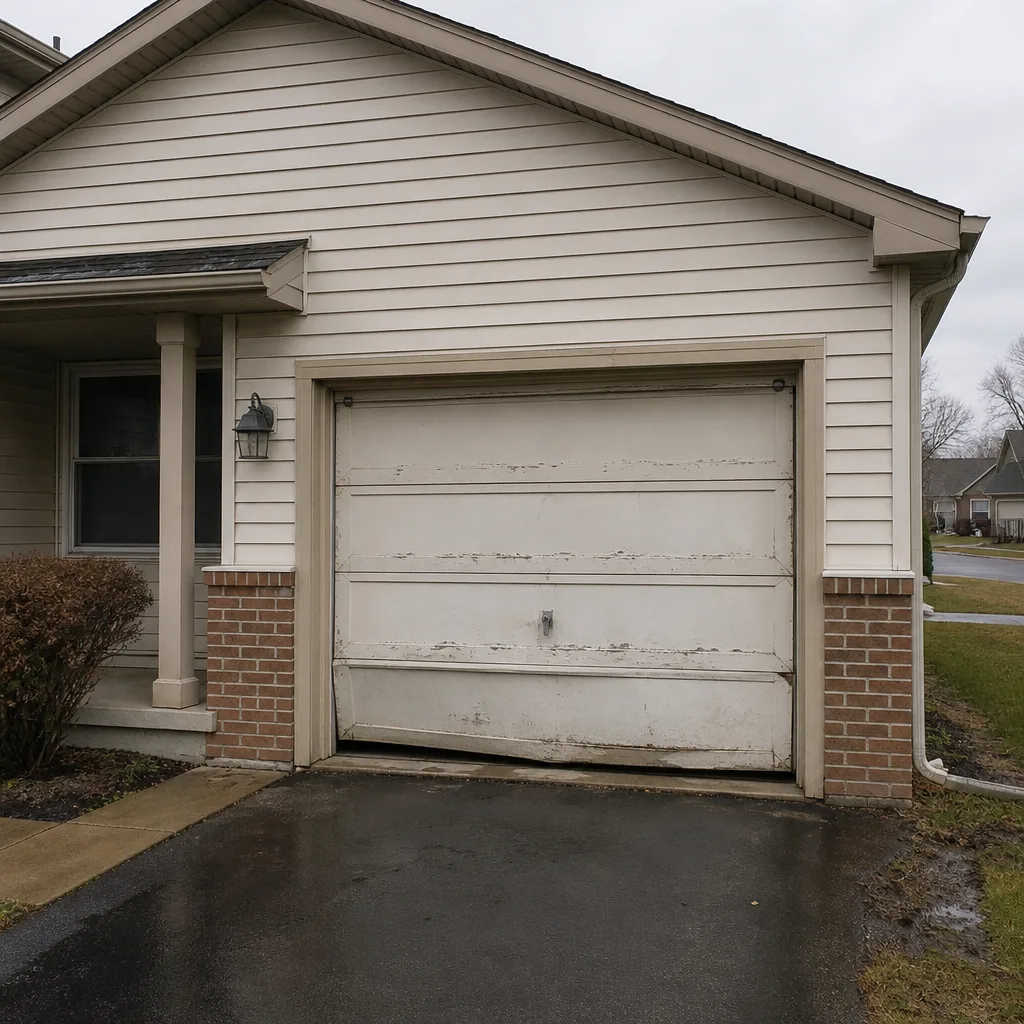
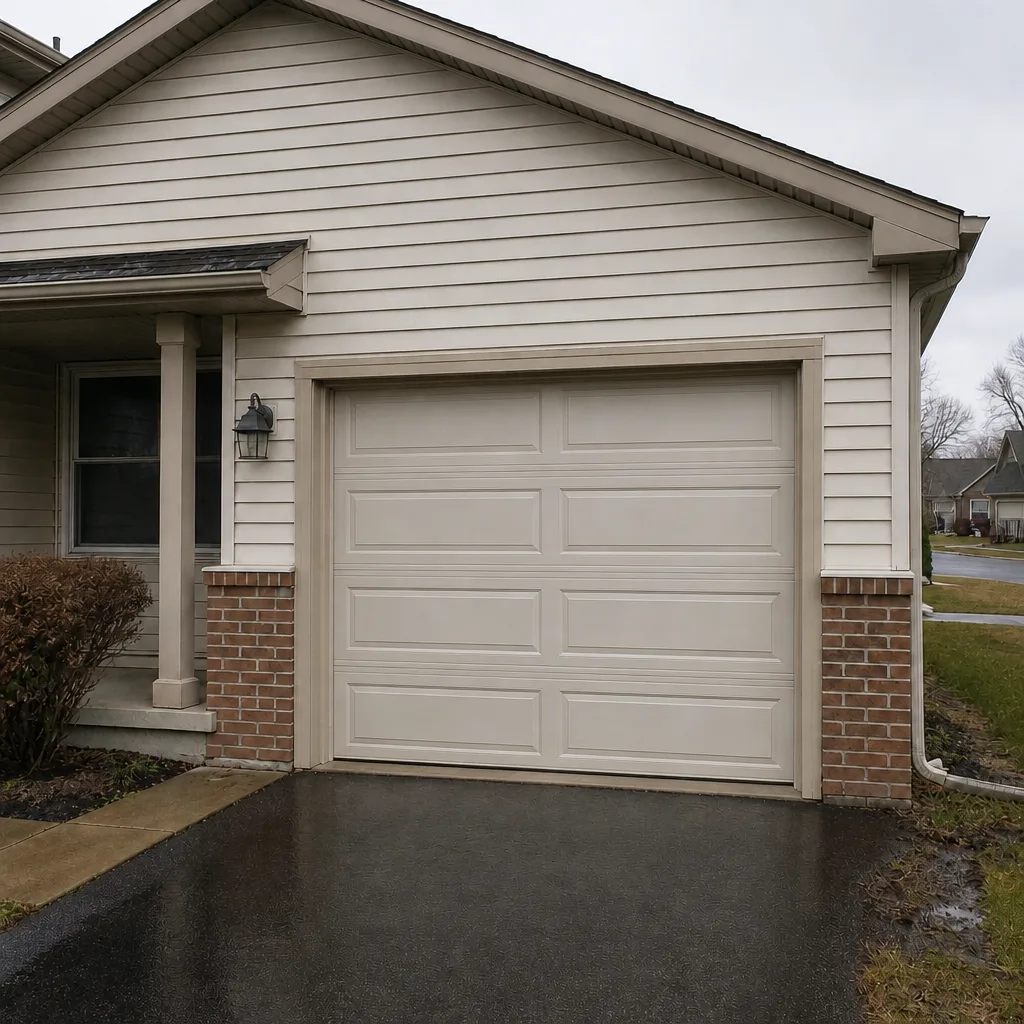
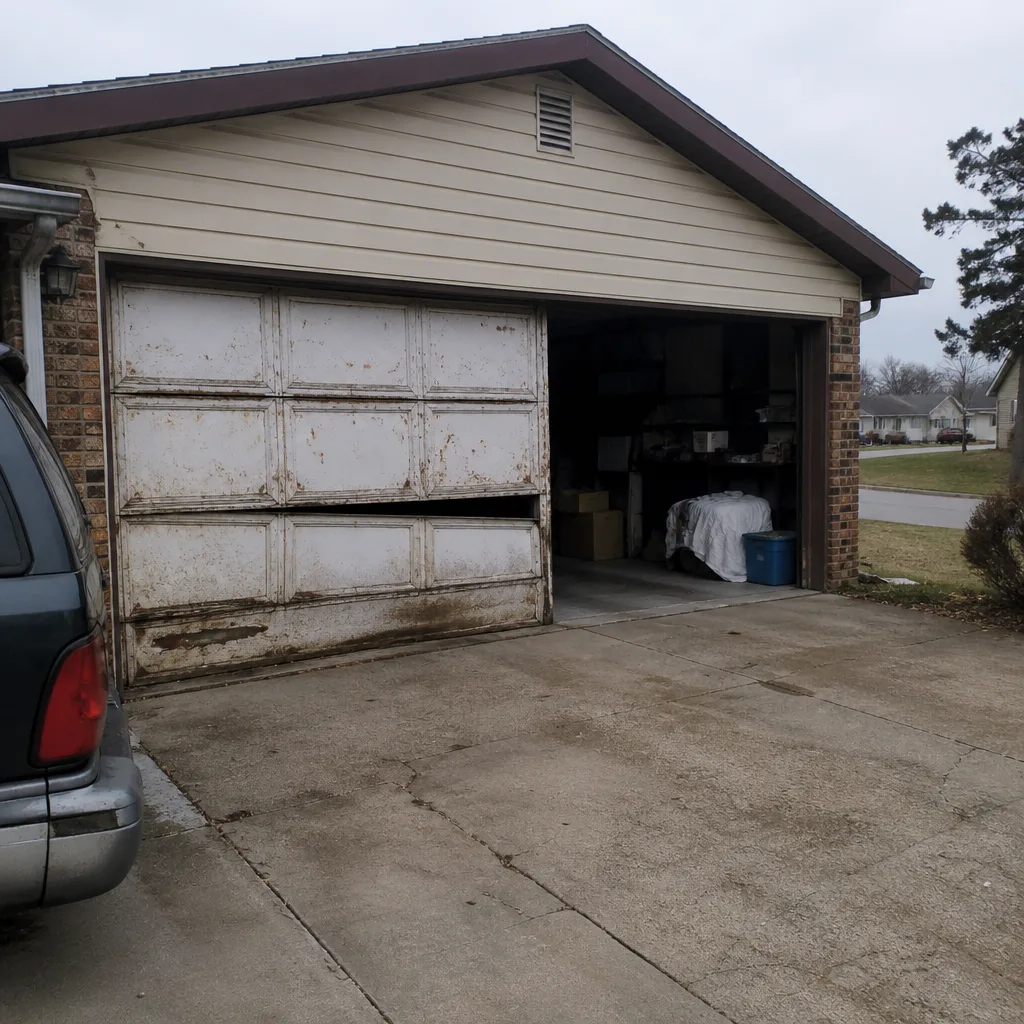
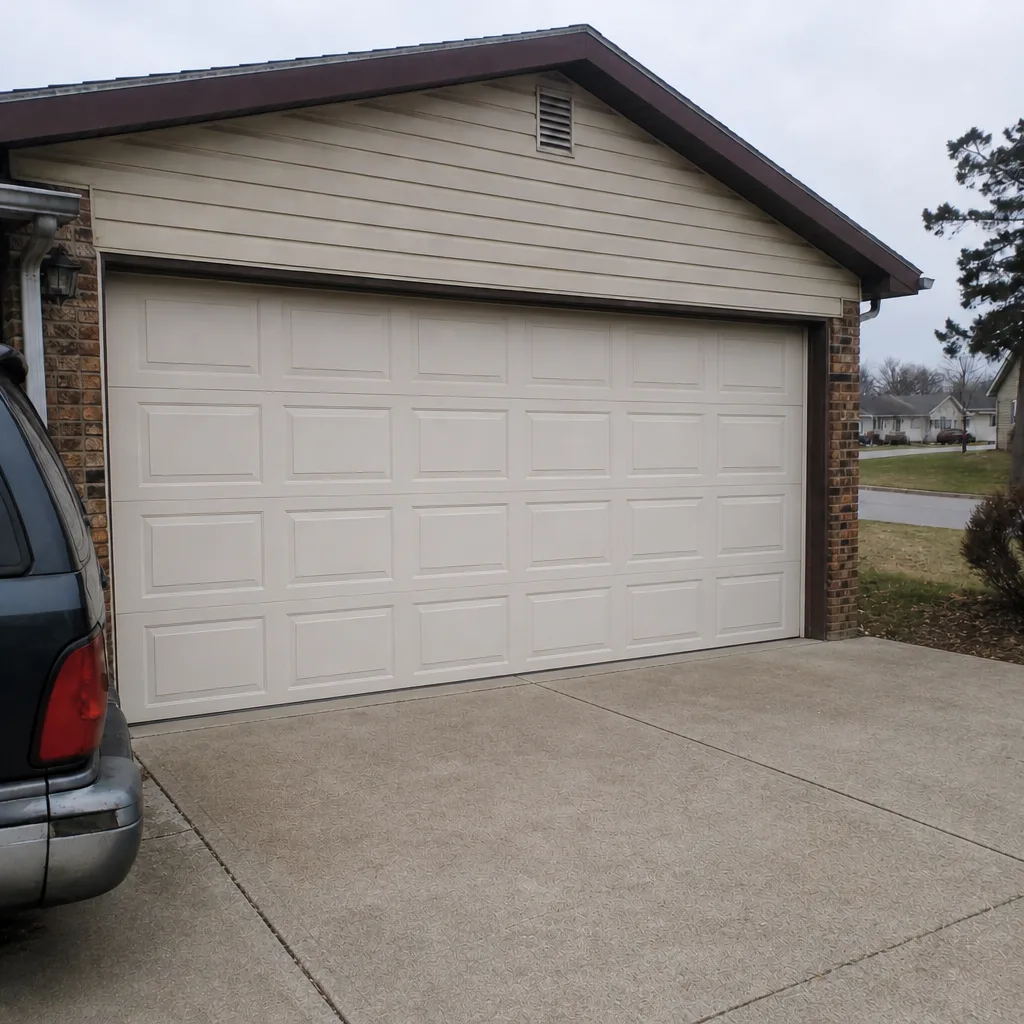
See the difference
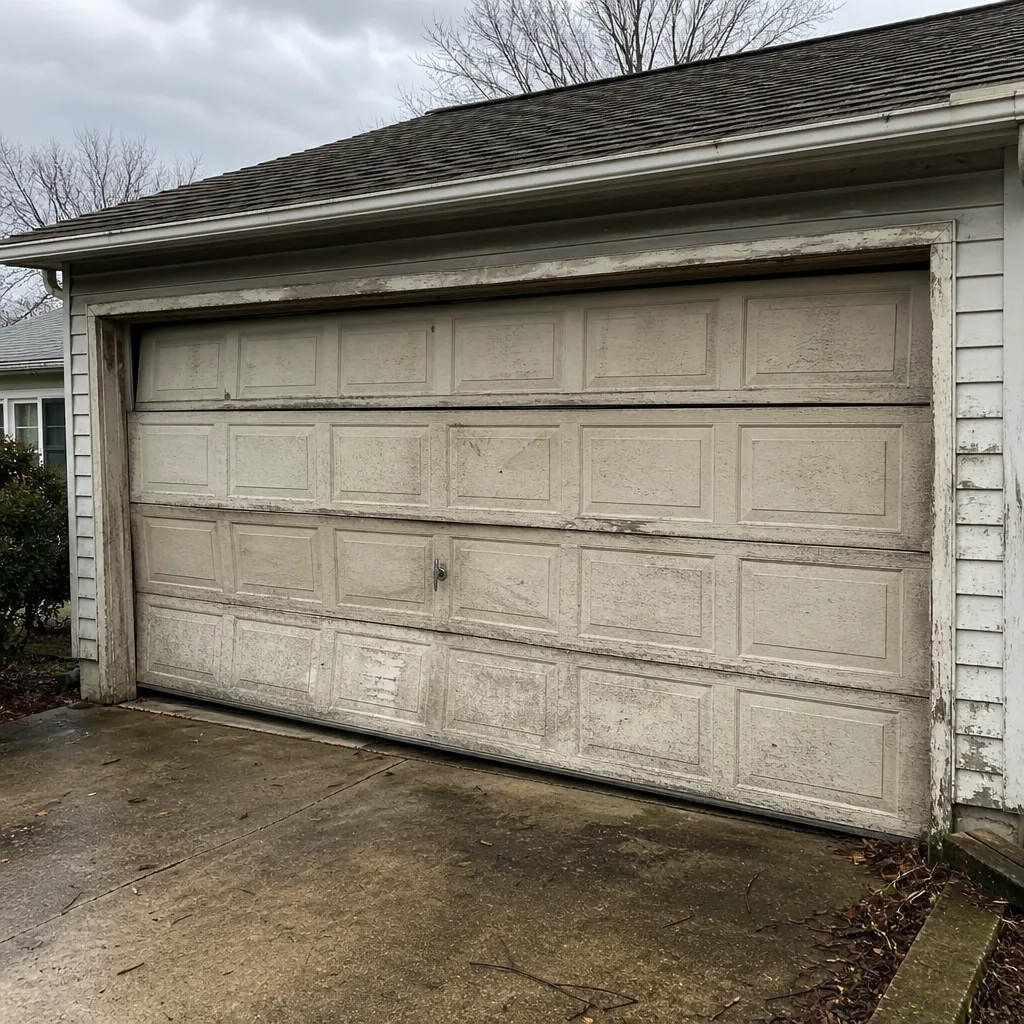 Before
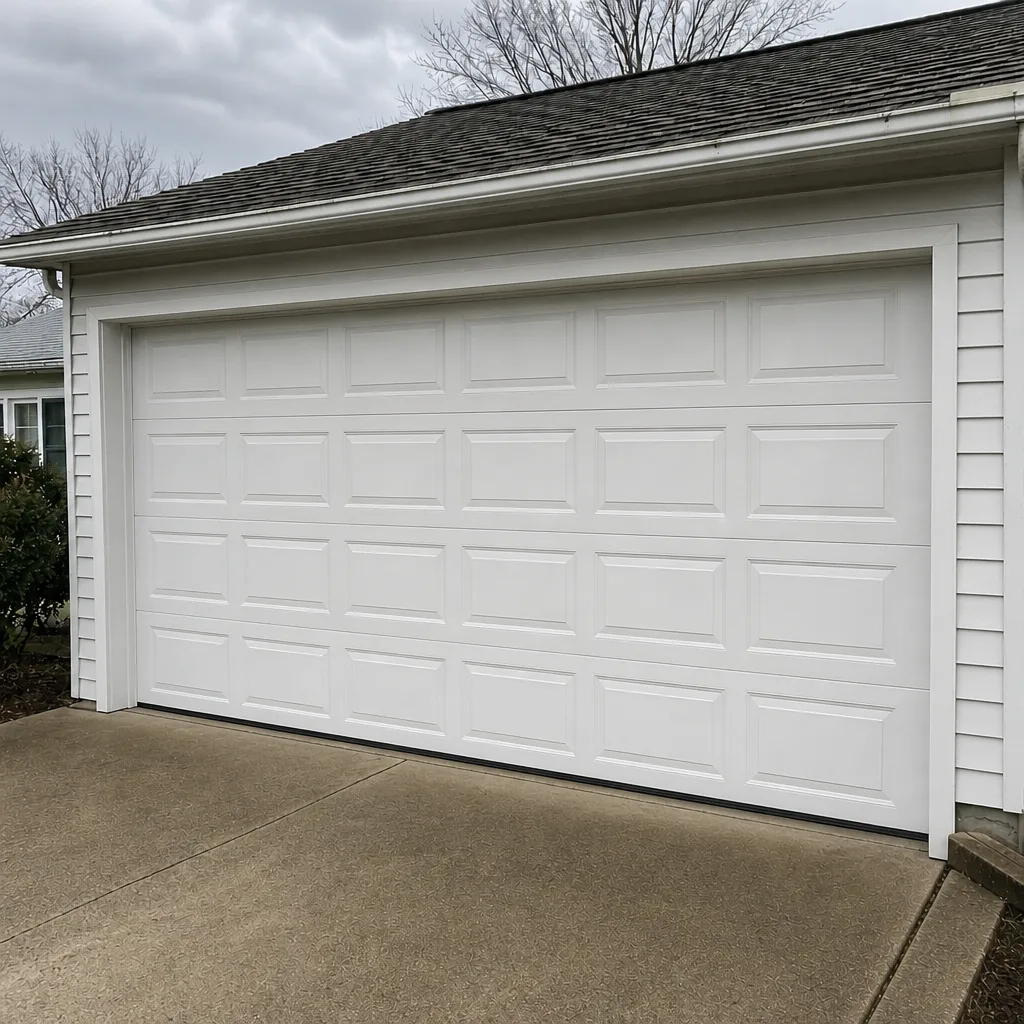 After
 Before
 After
 Before
 After
When to Call a Professional
Call a professional if the door has made a loud bang, hangs crooked, has a visibly loose or frayed cable, has come off its track, or won’t lift by hand after you disengaged the opener. Those are all Tier 1 signals, and they’re where the garage door stops being a homeowner repair and becomes a technician job. Also call if the opener is reversing on its own, stopping mid-cycle at the same point, or moving slowly even after the second-cycle test. And call if the door is more than a few years old and you haven’t had a tune-up; an annual service catches most of the failures this guide describes before they become emergencies. Garage Door Repair Hempfield offers free estimates in Hempfield Township. Call (833) 482-6572 and describe what your door is doing.
Frequently Asked Questions
The most common warning signs are a grinding or scraping sound, a sharp pop from the cables, a loud bang from the springs, a door that hangs crooked or gaps on one side, an opener that moves slowly or reverses on its own, and cold-morning stiffness that doesn’t clear up after a second cycle. Any single one of these is worth checking; two or more together usually points to a developing failure. Call (833) 482-6572 if you’re seeing more than one.
A spring that’s about to break usually shows itself through a door that feels heavier than it used to, slower travel, and a door that won’t stay up when you lift it by hand with the opener disengaged. The sudden bang means it has already broken. A torsion spring near the end of its cycle count gives you that heavy feel for days or weeks before it goes. If you suspect a spring failure, don’t run the door; see our garage door spring repair page and call for an assessment.
A crooked door almost always means a cable has lost tension or slipped on its drum, not that the track is bent. Check the gap at the bottom of the door: an even gap across the width means the door is square, an uneven one means a cable problem. A crumpled or kinked track shows up as a bind at one point in the door’s travel, not as a door that hangs crooked the whole way up. When in doubt, call (833) 482-6572 and describe the gap.
Grinding is one of the milder warning signs, so you can usually keep using the door short-term while you schedule a repair. That said, grinding means a part is wearing faster than it should, and waiting turns a tune-up into a roller or hinge replacement. In Hempfield Township’s humid summers, dry rollers are the most common cause. Call (833) 482-6572 for an estimate and get the door back to quiet operation before the season turns.
Unprompted reversing is usually a safety sensor issue or a force setting that’s too sensitive, not a mechanical door failure. Dirty or misaligned sensors are the most common cause, and in our experience the low afternoon sun during certain months in Hempfield Township can trip the sensor even when it’s aligned correctly. Test by shading the sensors with your hand; if the door completes its cycle, it’s a sensor problem. Call (833) 482-6572 if it persists after a sensor cleaning.
Once a year is the right baseline in this climate, given the freeze-thaw swings that work grease loose in the rollers and hinges. Do a five-minute visual walkthrough monthly and a professional tune-up annually, and you’ll catch most of the failure modes in this guide while they’re still Tier 3. If your door is older or has never been serviced, start with a call to (833) 482-6572 for a free estimate.
The Bottom Line
Most garage door failures don’t happen without warning. They produce grinding, popping, banging, crooked tracking, and opener misbehavior days or weeks before they turn into an emergency, and once you know how to read those signs you’ll know exactly when to stop using the door and when to schedule a tune-up. The three-tier urgency framework is the heart of this guide: stop today for a bang, a crooked door, or a loose cable; call within a day or two for new grinding or opener problems; monitor the rest. If your door is telling you something and you’re not sure what tier you’re in, call. For a full picture of what we handle, see Garage Door Repair Hempfield.
Garage Door Repair Hempfield works on the brand you already have, from LiftMaster and Chamberlain openers to Craftsman and Raynor door systems, and we treat spring repair as the safety component it is. Our technicians have up to 13 years of experience, we carry parts for the major brands directly, and we can repair, tune, or replace your opener and springs wherever the door’s lifecycle takes you. Free estimates, upfront pricing, and one call covers the whole door system. Call (833) 482-6572 for a free estimate in Hempfield Township.
Written by the team at Garage Door Repair Hempfield.