Last updated November 23, 2026
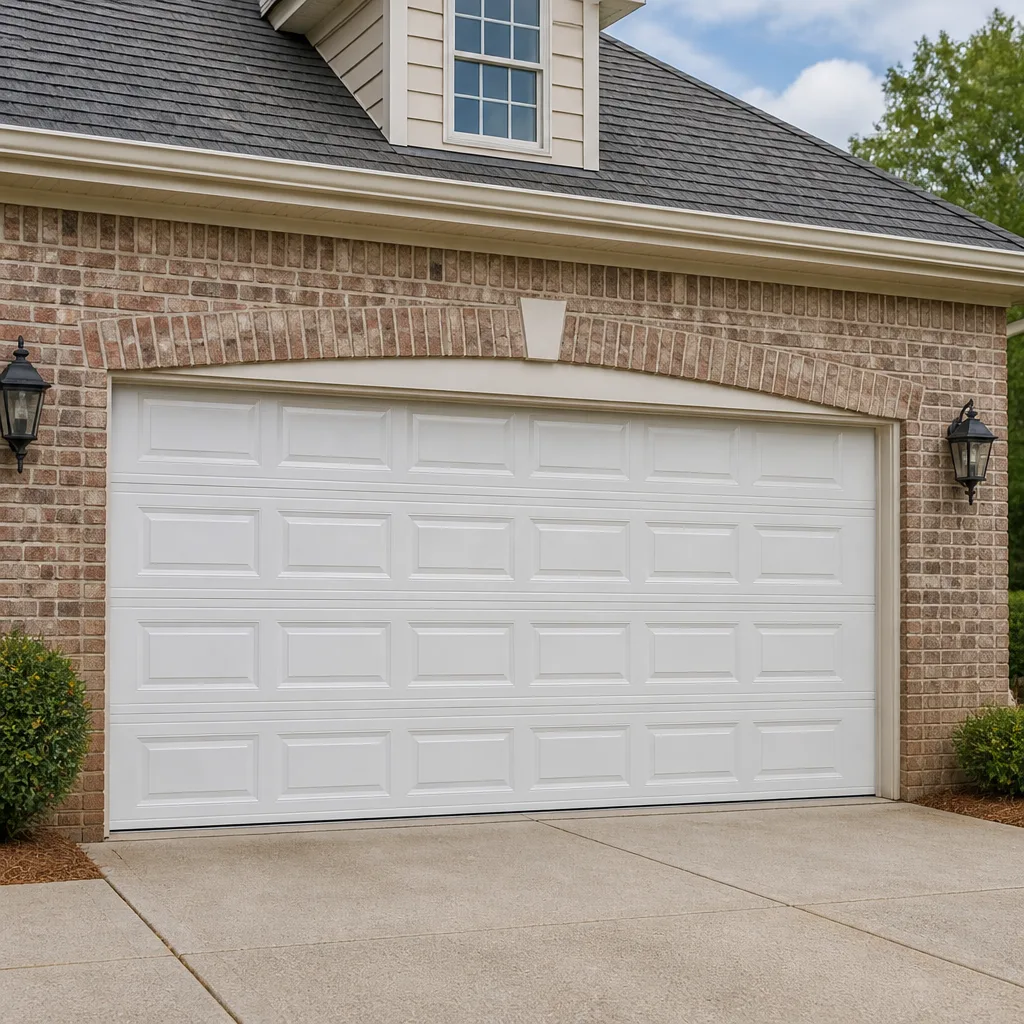 Raised-panel steel
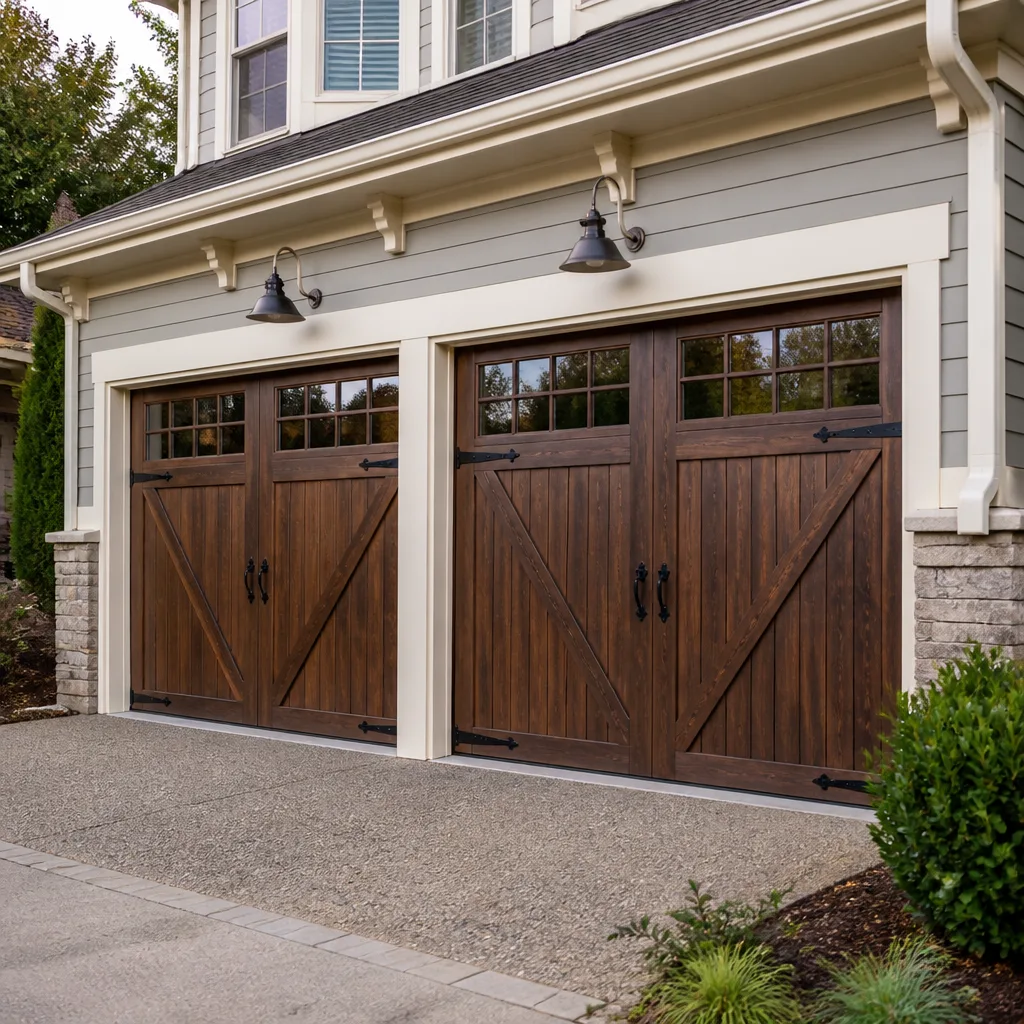 Carriage house
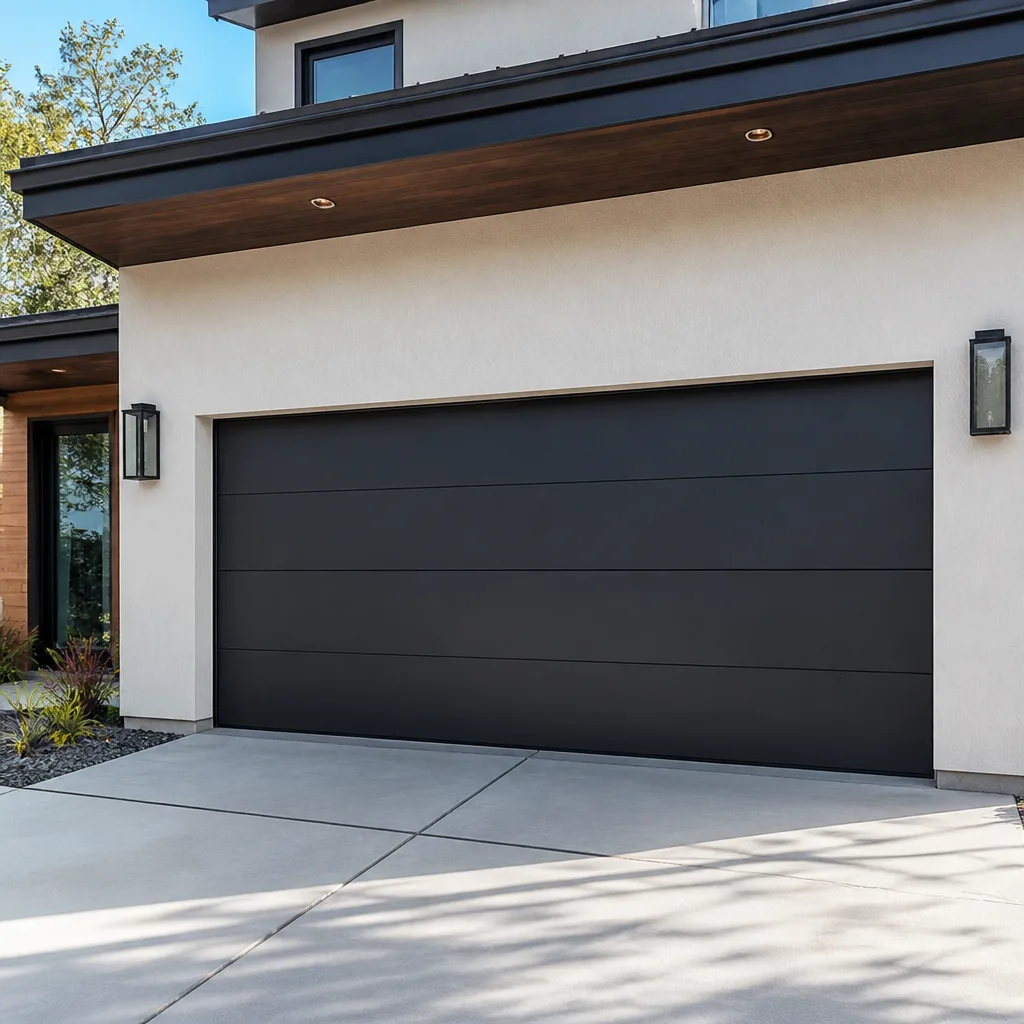 Modern flush
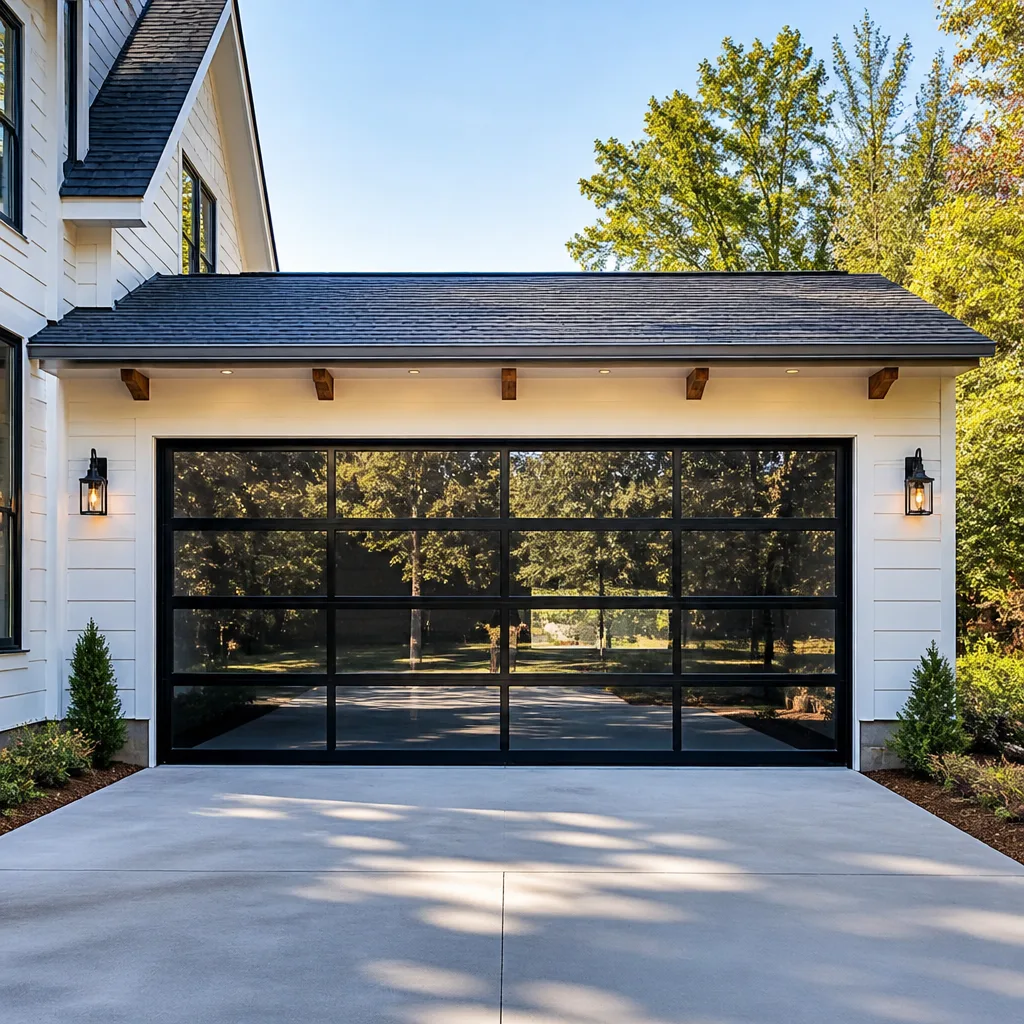 Full-view glass
 LiftMaster openers
 Chamberlain openers
Full 25-point door and opener safety check with every visit - springs, cables, rollers, tracks, and your LiftMaster or Chamberlain opener included
You get a price before we start. It does not change when the pro arrives.
Get your free estimateThe Complete Guide to Garage Doors in Hempfield Township
A garage door has roughly 10,000 moving cycles in it before something fails, and most Hempfield Township homeowners have no idea which cycle they’re on. Here’s the counterintuitive part: the door itself is rarely what breaks first. The spring, the cables, the rollers, the opener gear – these are the components on their own clocks, and the climate here runs them at different speeds than a manufacturer’s lab test ever expected. This guide walks the full ownership arc, from choosing a door that fits a Westmoreland County house to knowing exactly when a repair beats a replacement.
Quick Answer
A garage door in Hempfield Township typically lasts 15 to 30 years for the panels, while the torsion springs that lift it last 7,000 to 10,000 cycles and usually fail first. Repairing a spring, cable, roller or opener costs far less than a new door, and replacement makes sense only when panels, hardware and opener are failing together or the door can’t be made safe. The single most important habit is matching the right door weight class to the right opener at purchase.
Styles & brands we work with
- Raised-panel steel
- Carriage house
- Modern flush
- Full-view glass
- LiftMaster openers
- Chamberlain openers
Table of Contents
- How Many Cycles Does a Garage Door Have in It?
- How Hempfield Township’s Freeze-Thaw Cycle Wears Out Springs Faster
- Door Weight Classes and Why They Matter
- Component Lifespan Benchmarks
- Clearance Constraints in Hempfield’s Older Homes
- The Repair-or-Replace Decision Tree
- Parts, Brands, and Getting the Right Component
- A Maintenance Routine That Actually Extends Life
How Many Cycles Does a Garage Door Have in It?
Most residential garage doors are engineered for about 10,000 open-and-close cycles, and the springs are the part that counts them. A cycle is one full up-and-down trip. Two trips a day for a decade and you’ve put roughly 7,300 cycles on the system – which is why so many Hempfield Township doors hit their first major repair around the ten-year mark. Heavy users like families with two cars coming and going hit the same wall sooner.
What actually fails at the end of that count is the torsion spring. It’s a coiled steel part under constant tension that stores the energy to lift a door weighing anywhere from 100 to over 300 pounds. Every cycle bends and releases the metal slightly. Over thousands of cycles the steel fatigues and eventually snaps. A snapped spring is loud, sudden, and it leaves the door unopenable because the opener is now trying to lift the full dead weight of the door without help.
Here’s what homeowners tend to get wrong about cycle count:
- They assume a quiet, smooth door has plenty of cycles left. Quiet tells you the rollers and hinges are healthy, not the springs.
- They count years instead of cycles. A door used eight times a day ages twice as fast as one used four times a day.
- They replace the opener when the spring fails, because the opener is what made the noise. The opener was a victim, not the cause.
If your door is heavy to lift by hand, or the opener strains and the door hesitates, the springs are the first place a trained technician looks. When a spring does let go, our garage door spring repair handles it as a core service rather than an add-on, because springs are a safety component and the job deserves that gravity.
How Hempfield Township’s Freeze-Thaw Cycle Wears Out Springs Faster
Southwestern Pennsylvania sits in a climate that swings across the freezing point repeatedly through the colder months, and that swing is harder on garage door steel than a place with a steady cold winter. When temperatures climb above freezing by day and drop below it at night, moisture in the air and on the door condenses, freezes, and thaws again and again. The metal expands and contracts with each pass. Over a season, that’s thousands of tiny stress cycles layered on top of the mechanical cycles the door already logs.
For torsion springs, that cycling is cumulative. A spring rated for 10,000 cycles in a mild climate can reach fatigue sooner here because the temperature swings add load. Cables corrode faster too, and the drums and bearing plates that guide them pick up grit and rust. Hempfield Township’s mix of humid summers and freeze-thaw winters is genuinely tougher on garage door hardware than a steady, dry climate.
What that means in practice:
- Expect spring life on the shorter end of the standard range rather than the longer end.
- Cables should be inspected for fraying and rust at every tune-up, not just when something breaks.
- Weather seals and bottom seals crack faster with repeated freezing, and a failed seal lets cold air and moisture into the garage, which accelerates the cycle.
- Lubrication matters more here than in dry climates. A dry hinge or roller rusts and seizes, and a seized roller drags and stresses the whole system.
If you hear a sharp bang from the garage on a cold morning, don’t run the opener again. That’s the classic sound of a spring letting go, and running the opener against a broken spring can damage the opener motor and the door itself. Call a trained technician instead; this is one component nobody should touch without the right tools and winding bars.
Door Weight Classes and Why They Matter
Garage doors are built in different weight classes, and getting that match wrong at purchase sets off a chain of failures that follows the door for its whole life. A door’s weight determines the spring size, the cable gauge, the track strength, and the opener’s lifting capacity. Buy a door heavier than the opener was sized for and the opener works harder on every cycle, wearing out its gears and motor prematurely. Size the springs wrong for the door and they either can’t lift it or they over-lift and slam it, which stresses cables and rollers.
This is where a lot of Hempfield Township replacements go sideways. A homeowner picks a door by look and price, the door gets installed, and eighteen months later the opener is grinding and the springs are already tired. The door and the opener were never a matched set.
The three things that have to line up:
- Door weight. The manufacturer publishes it, and it should match the spring and hardware spec.
- Spring sizing. Torsion springs are matched to the door’s exact weight and track radius.
- Opener capacity. The opener’s lift rating has to exceed the door weight with margin, and the door’s balance has to be right so the opener isn’t doing the lifting alone.
Getting this right at purchase is the cheapest insurance you can buy. It’s also why we push for a proper measure before any door is ordered – a new door is a scheduled, measured job, not a same-day swap. Our Garage Door Repair Hempfield team can walk you through matching a door and opener before you commit to either.
Component Lifespan Benchmarks
Every part of a garage door system has its own clock, and knowing the benchmarks helps you plan repairs instead of reacting to them. Below are the typical ranges we work from. The ranges are estimates; actual life depends on cycles, climate, and how well the system is maintained.
- Torsion springs: 7,000 to 10,000 cycles. First component to fail in most homes.
- Cables: 10 to 15 years, sooner if rust or fraying shows up. Inspect them at every service.
- Rollers: 5 to 10 years for steel rollers, longer for nylon. Noisy, wobbly rollers are the giveaway.
- Hinges: 10 to 15 years. They wear at the pivot points and start squealing.
- Bottom seal and weatherstripping: 3 to 5 years. This is the part that takes the most weather abuse.
- Opener motor and gears: 10 to 15 years for a well-matched unit. Gears wear before motors do.
- Door panels: 15 to 30 years, depending on material and finish.
The pattern to notice: the cheap, fast-wearing parts (seals, rollers) fail before the expensive ones (springs, opener). Catching the small failures early keeps them from dragging the big components down with them. A binding roller, left alone, adds load to the opener and shortens its life. A cracked bottom seal lets moisture in and rusts the cables. Small maintenance is what buys you the full lifespan on the expensive parts.
Clearance Constraints in Hempfield’s Older Homes
Hempfield Township’s housing stock includes a lot of split-levels and ranches, many of them built decades ago, and their garages have clearance constraints that new construction usually doesn’t. Older attached garages were often framed with a lower ceiling height or a shallower headroom than a modern build. That matters because the type of spring system a door can use depends on overhead clearance.
Torsion springs mount on a shaft above the door and need headroom. Extension springs run along the horizontal tracks and need a different kind of room. Older split-levels sometimes have a garage tucked under living space with a tight ceiling, which pushes toward one system over the other. Low-headroom situations may also call for low-clearance track or a different door style to fit.
What we check in older Hempfield homes:
- Actual headroom above the door, measured rather than assumed.
- Whether the existing track geometry will accept a new door of the same style.
- Whether the opener rail will clear the ceiling and any ductwork.
- Whether the door opening is square, since older framing sometimes settles.
These checks are why a replacement in an older Hempfield Township home benefits from a measure rather than a phone-order. A door that fits a new build may not fit a fifty-year-old split-level. Knowing the constraints before you order avoids a return, a refit, or a door that never quite seals. If a repair is the better path, our garage door repair team can assess what’s there and tell you honestly whether the existing system has life left in it.
The Repair-or-Replace Decision Tree
This is the question that drives every garage door call: fix it, or start fresh? The honest answer depends on what’s failing and how much of the system is failing at once. A single component failure on an otherwise healthy door is a repair. Multiple systems failing together on an older door is usually a replacement. Use this sequence to think it through.
- Is it one component? A single spring, one cable, a worn roller set, or a bad bottom seal is a repair. Fix it and keep the door.
- Is the opener the problem, or the door? If the door is balanced and heavy to lift by hand, it’s the springs, not the opener. If the opener runs but the door barely moves and the door is light by hand, it’s the opener – and opener repair is usually cheaper than replacement.
- Is the door still structurally sound? Dents, cracked panels, rusted-through steel, or a bent track are structural. A single bent section sometimes replaces; a door full of damage doesn’t.
- How old is the whole system? If the springs are already near their cycle limit, the opener is 12 years old, and the panels are showing age, you’re repairing toward the next failure. At that point a new door plus matched opener is often the better spend.
- Will a repair make it safe? Safety outranks cost. A door that can’t be balanced, has frayed cables, or has a track that won’t align shouldn’t stay in service.
The rule we work by: repair first, replace only when it makes sense. Nobody should be sold a new door for a worn roller set, and nobody should be patched along a door that’s failing on three fronts. Our garage door opener repair is treated as its own specialty because a smart or legacy opener that’s misbehaving often needs a repair, not a replacement – and that’s true whether the unit is a LiftMaster, Chamberlain, Genie, or Craftsman system.
Parts, Brands, and Getting the Right Component
Garage door and opener brands are not interchangeable, and the specific tolerances, parts, and failure patterns differ from one to the next. We work on the brand you already have rather than steering you toward a single manufacturer. Our technicians service equipment from LiftMaster, Chamberlain, Genie, Clopay, Amarr, Wayne Dalton, Craftsman, and Raynor, which means we know how a Clopay door’s hardware behaves differently from an Amarr, and how a Chamberlain opener’s gear set wears compared with a Genie.
Getting the right component fast is half the battle on any repair, and that’s where parts availability matters. Waiting on a third-party supplier can turn a one-visit fix into a two-week stall. Sourcing parts directly from the same specialists who do the repairs is what keeps repair delays down. It also means a homeowner who prefers to handle a job themselves, or who just needs a specific part, can source the correct component instead of guessing at a hardware-store substitute.
What brand-specific competence actually buys you:
- Correct parts the first time instead of a near-fit that wears out.
- Knowledge of the failure patterns specific to your system.
- Opener repair that respects the original design rather than defaulting to a full replacement.
- Door and opener matching if you’re upgrading, so the two work together.
The goal is one call covering the whole door system. The same specialist who installs a new Clopay or Wayne Dalton door can repair, tune, or replace its opener and springs down the road. Our technicians have up to 13 years of experience across these brands, and that experience is what turns a guess into a diagnosis.
A Maintenance Routine That Actually Extends Life
A short, regular maintenance routine is the difference between a system that reaches its full lifespan and one that fails early. You don’t need to take anything apart. What you’re doing is listening, looking, and lubricating – the three things that catch small problems before they become spring failures or opener burnouts. Here’s the routine, in the order that matters.
- Test the balance. Disconnect the opener and lift the door by hand to halfway. It should stay there. If it drops or rises on its own, the springs are out of balance.
- Listen on every cycle. Grinding, squealing, or banging means something needs attention. A healthy door is quiet.
- Lubricate moving metal. Hinges, rollers, and the spring coil get a garage-door lubricant, not grease. Do this a couple of times a year, more before a cold snap.
- Inspect cables and hardware. Look for fraying, rust, or loose bolts. If you see a frayed cable, stop and call a professional; a cable under tension can snap.
- Check the bottom seal and weatherstripping. Replace them when they crack or pull away. A good seal keeps weather and moisture out, which slows rust.
- Watch the opener. If it hesitates, reverses on its own, or the light blinks in a pattern, that’s a signal to have it looked at rather than ignored.
What you should never do is try to adjust, wind, or remove a torsion spring yourself. The springs store enormous energy, and a spring that lets go under a hand tool can cause serious injury. Springs are a safety component, full stop. Everything in the list above is safe to check; anything involving the spring system is a job for a trained technician with the proper winding bars and the knowledge to stay out of the spring’s path. If something’s off, a professional tune-up is the right call.
Common Mistakes to Avoid
- Running the opener on a broken spring. When a spring snaps, the opener is lifting the full door weight. Running it can strip the opener gears and bend the door.
- Ignoring a binding roller until the opener dies. A dragging roller adds load on every cycle. Catch it early and you save the opener.
- Buying a door without matching the opener. A heavier door on a lighter opener wears both out. Match weight class, spring size, and opener capacity at purchase.
- Assuming a quiet door means healthy springs. Quiet speaks to rollers and hinges. Springs can be near their cycle limit on a silent door.
- Ordering a replacement door before measuring the old garage. Hempfield’s older split-levels and ranches have clearance constraints that can rule out a door style. Measure first.
- Treating a frayed cable as cosmetic. Cables hold the door’s weight along with the springs. A frayed cable can snap under tension.
- Spraying grease on the tracks. Track rollers want a light lubricant, and greased tracks collect grit that grinds the rollers. Use the right product, not the heaviest one.
See the difference
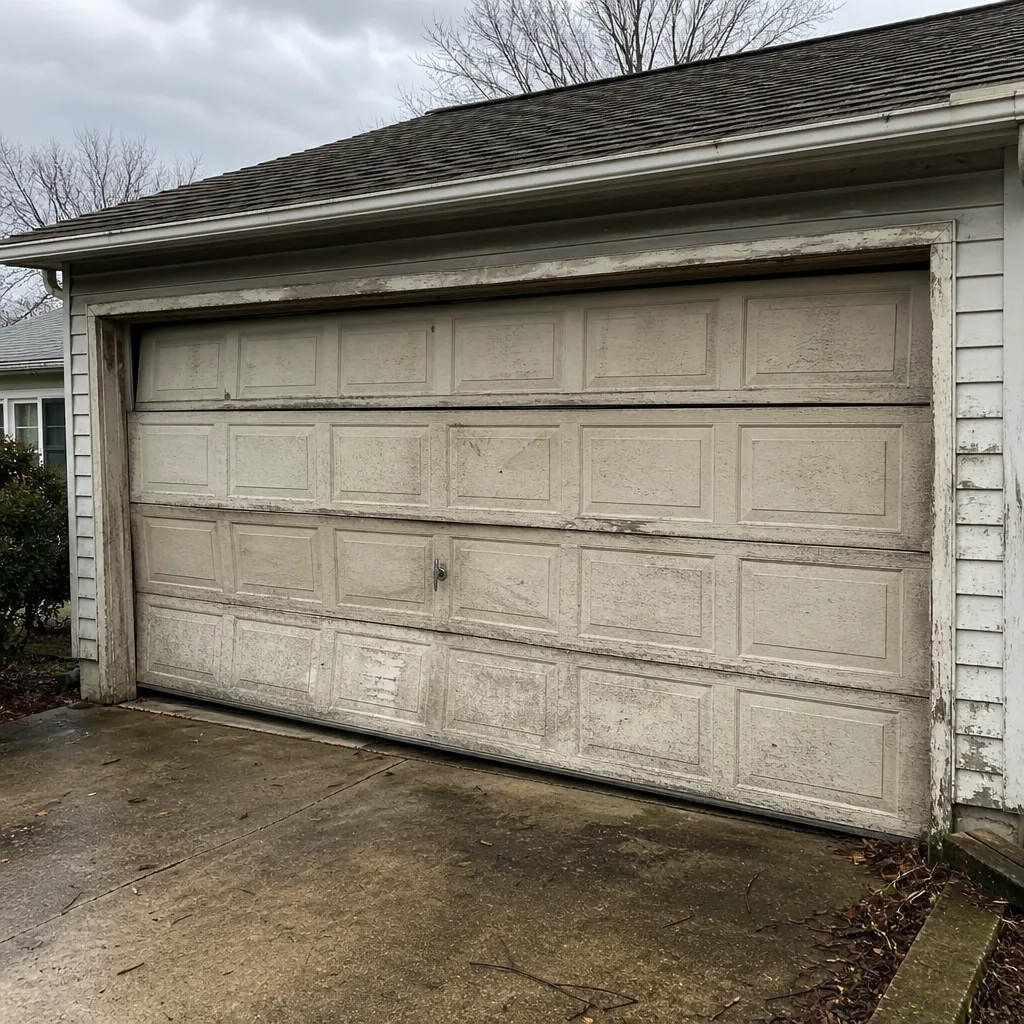 Before
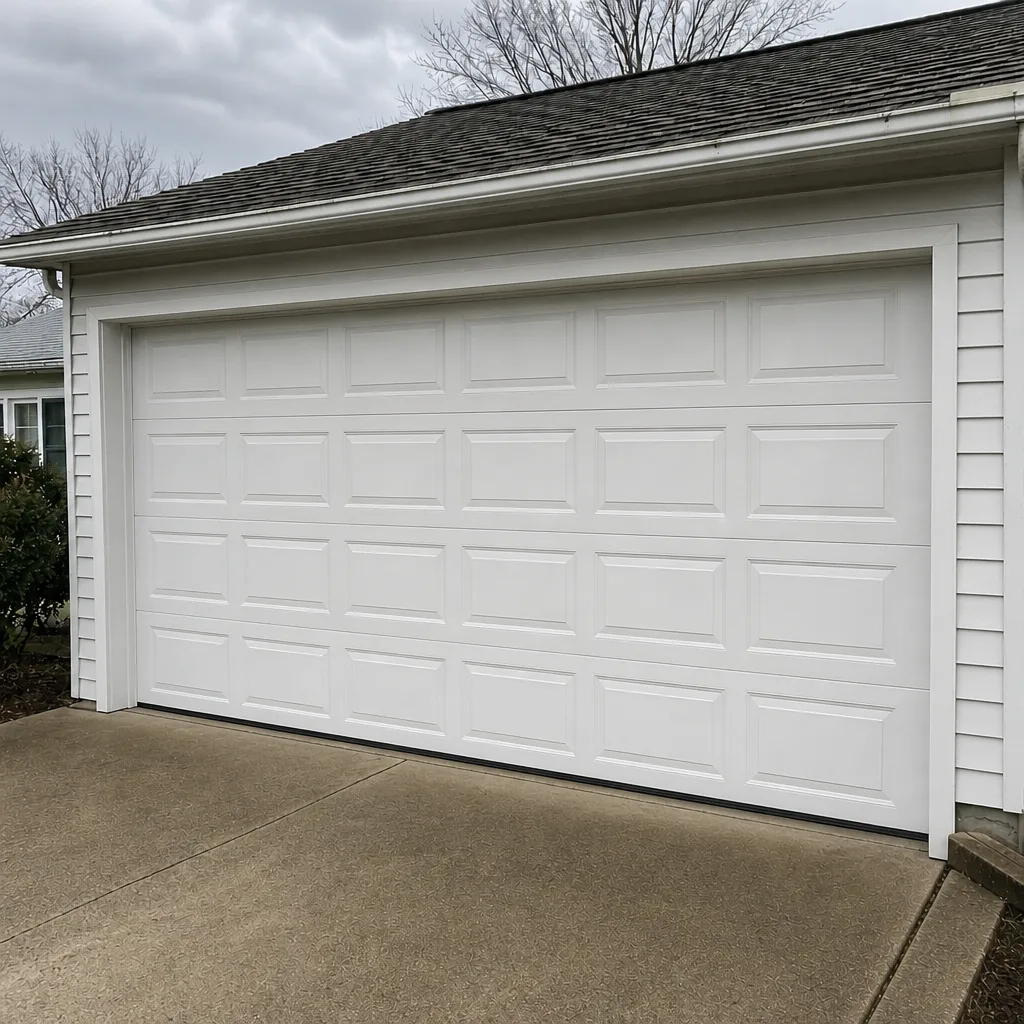 After
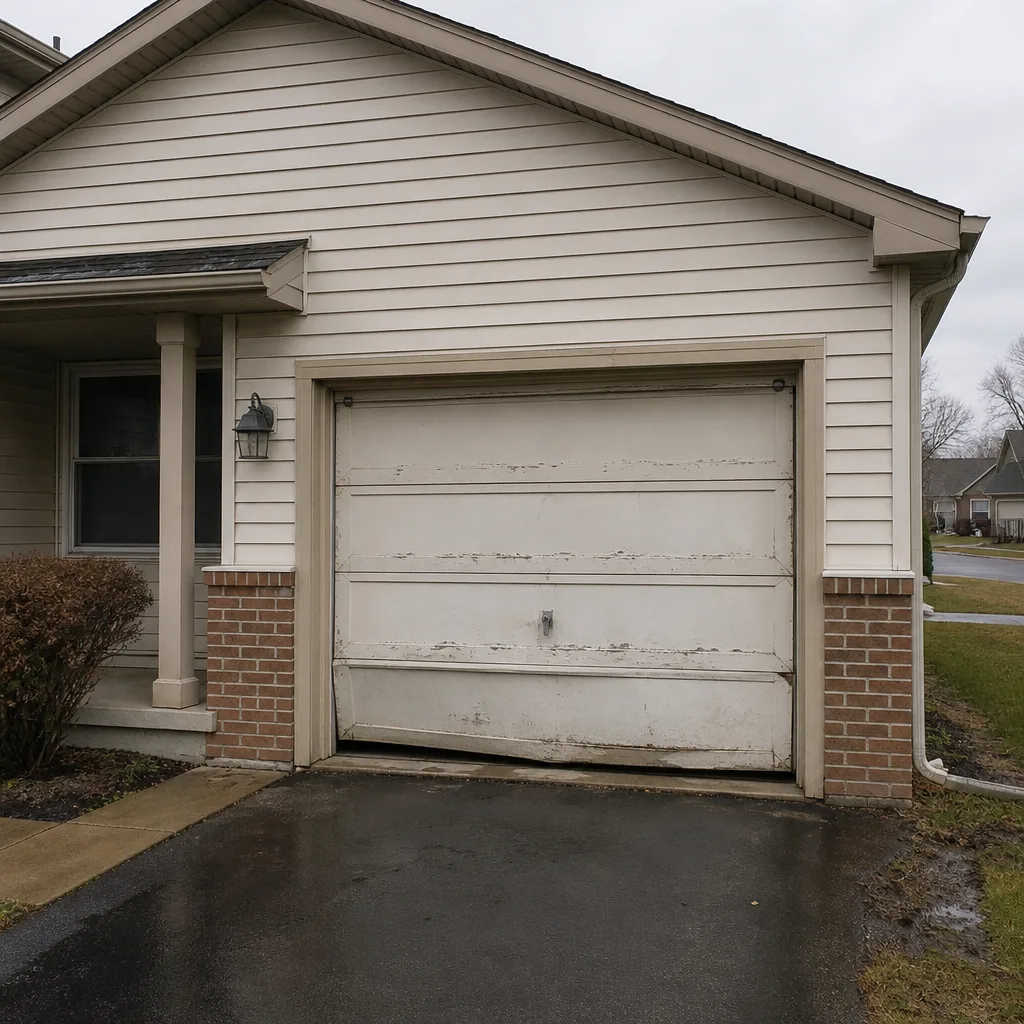 Before
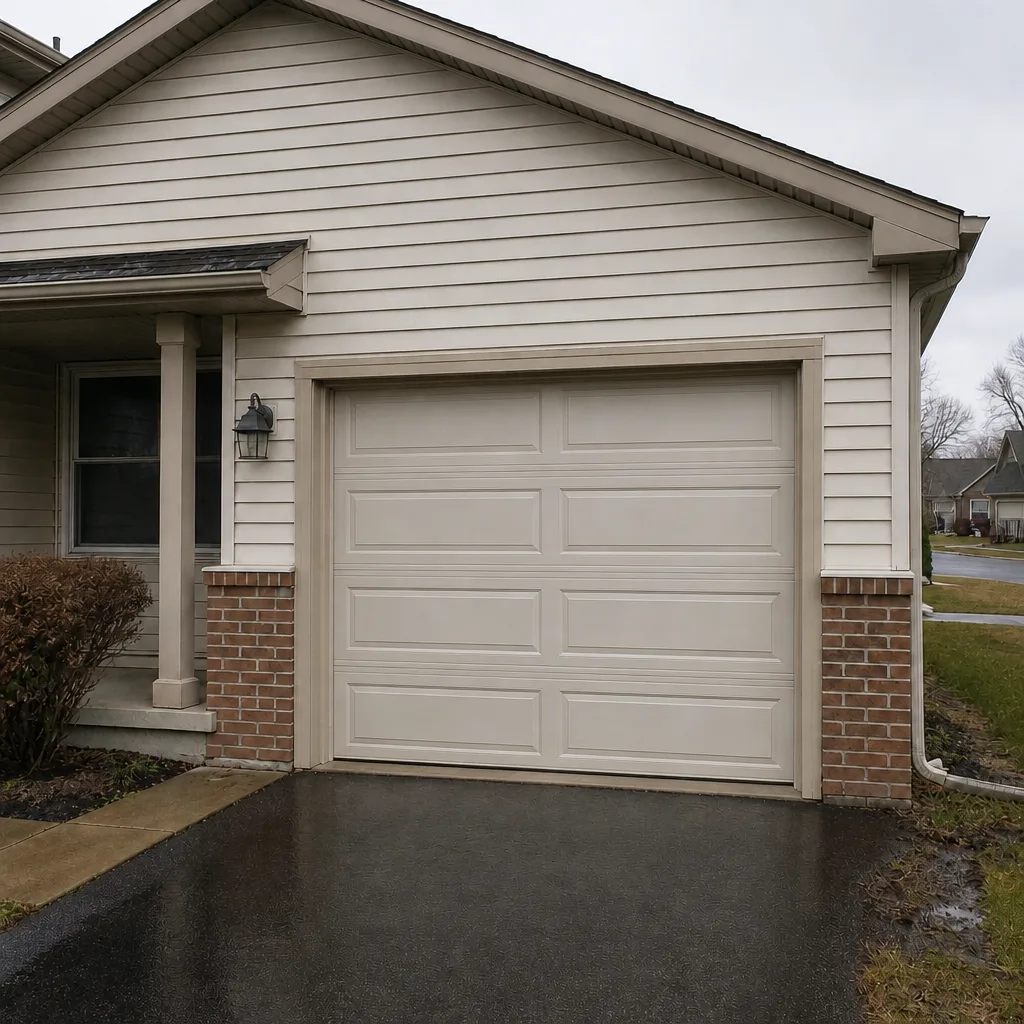 After
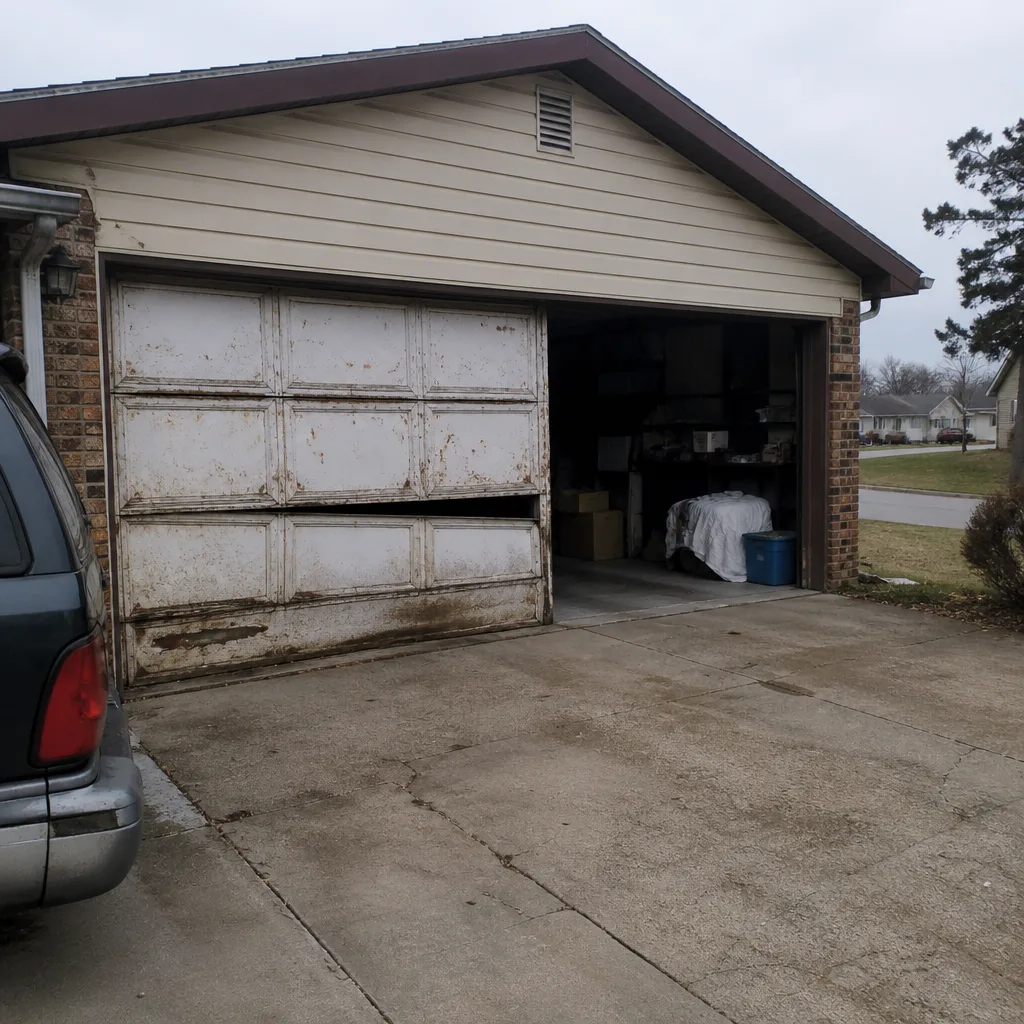 Before
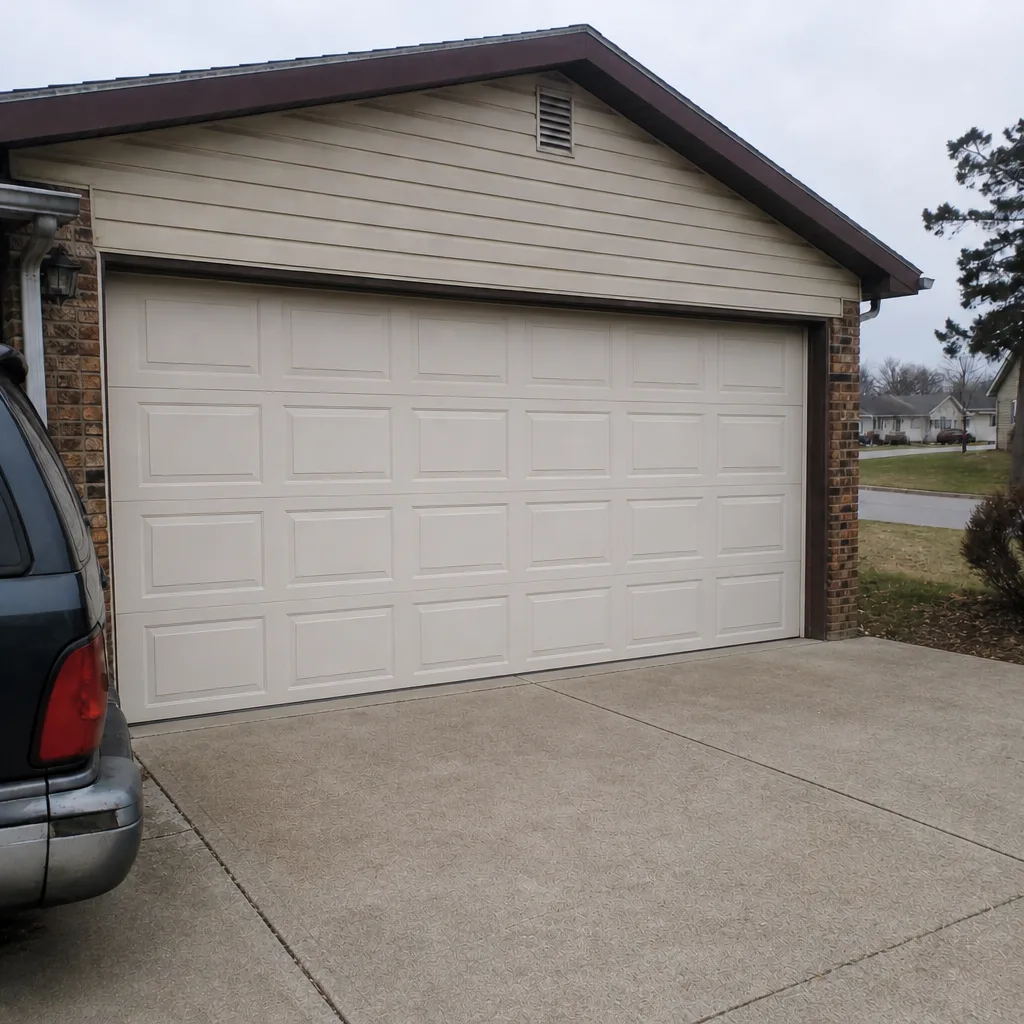 After
When to Call a Professional
Some jobs are safe to check yourself, and some aren’t. Call a professional when a spring has snapped, when a cable is frayed or loose, when the door is unbalanced and won’t hold position, when the track is bent, or when the opener runs but the door won’t move. Call if you hear grinding or banging on every cycle, if the door reverses on its own, or if the bottom seal has failed and the door won’t close flush. Any situation that puts you near a tensioned spring or a door under load is a job for a trained technician. Garage Door Repair Hempfield offers free estimates in Hempfield Township – call (833) 482-6572 for a straightforward diagnosis and an upfront quote before any work begins.
Frequently Asked Questions
Spring repair typically runs a few hundred dollars per spring, and matched pairs are usually replaced together, so a pair costs about twice that. The exact figure depends on the door’s weight and spring type, and the written estimate sets the final price before any work starts. Call (833) 482-6572 for an exact quote – estimates are free.
Many repair calls can be handled the same day, and we dispatch fast throughout the day. Springs, cables, rollers, and opener faults are all repair jobs we take on directly. Call (833) 482-6572 and we’ll tell you what’s available.
Plan on 7,000 to 10,000 cycles, usually toward the shorter end here because the freeze-thaw cycle adds stress to the steel. A door used a few times a day reaches the limit in roughly a decade. Call (833) 482-6572 if your door is heavy or hesitating.
Repair makes sense when one component is failing on an otherwise sound door. Replace when panels, hardware, and opener are all nearing their end or the door can’t be made safe. The written estimate will lay out both options honestly.
We service LiftMaster, Chamberlain, Genie, Clopay, Amarr, Wayne Dalton, Craftsman, and Raynor equipment. That covers most Hempfield Township homes and means parts and tolerances are known before we arrive.
Usually, but older split-levels and ranches need a clearance check first because headroom and framing differ from new builds. A measure before ordering avoids a misfit. Call (833) 482-6572 to schedule a free measure and written price.
The Bottom Line
A garage door is a system of parts on separate clocks. The springs count down first, the seals and rollers wear before the big components, and the freeze-thaw cycle in Hempfield Township runs them all a little faster than the lab spec. Match the door weight class to the opener at purchase, keep up the simple maintenance, and treat the spring system as the safety component it is. Repair one component when one is failing; replace only when the system is failing together. With the door’s cycle count in mind, you can plan the repair instead of reacting to a cold-morning bang.
If you need a diagnosis, a measure for a new door, or a specific part, call Garage Door Repair Hempfield at (833) 482-6572 for a free estimate in Hempfield Township. Our technicians have up to 13 years of experience across the major brands, and the price is quoted and agreed before any work starts.
Written by the team at Garage Door Repair Hempfield.