Last updated November 23, 2026
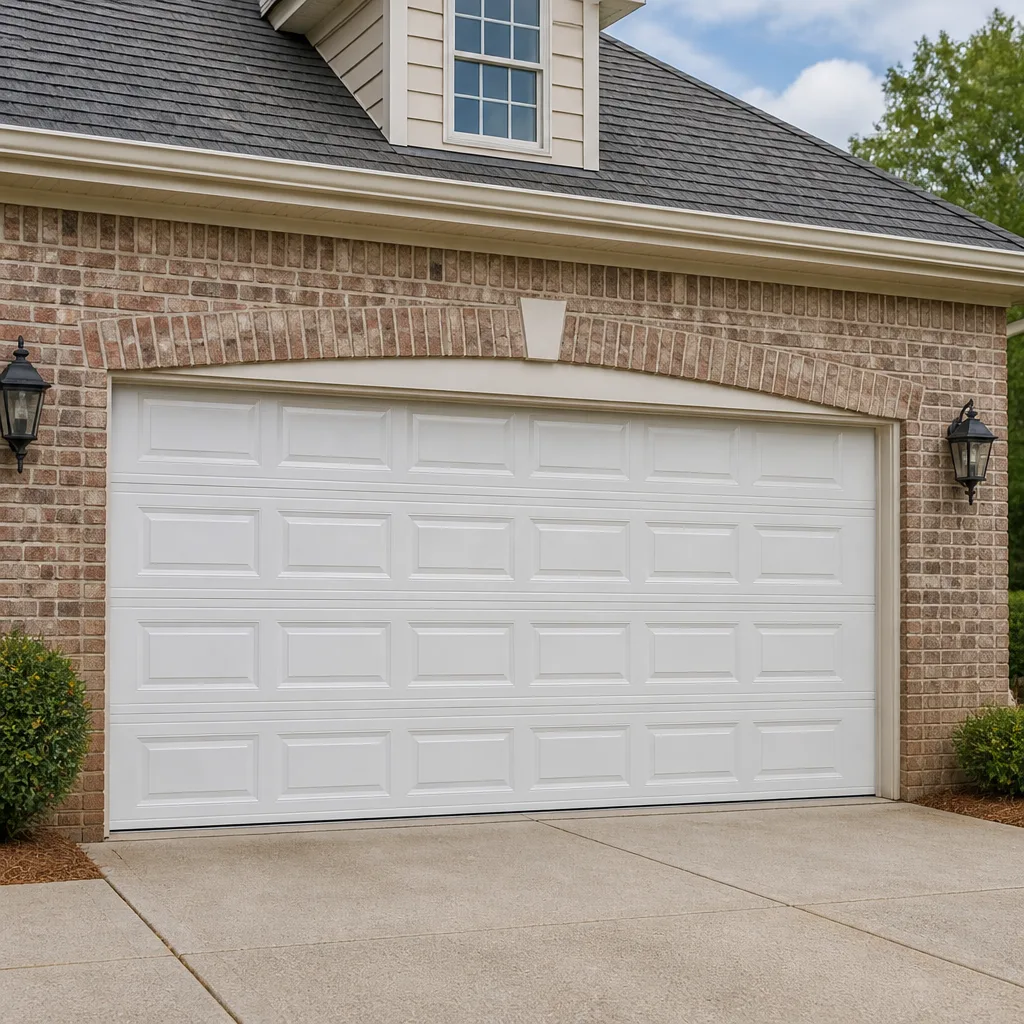 Raised-panel steel
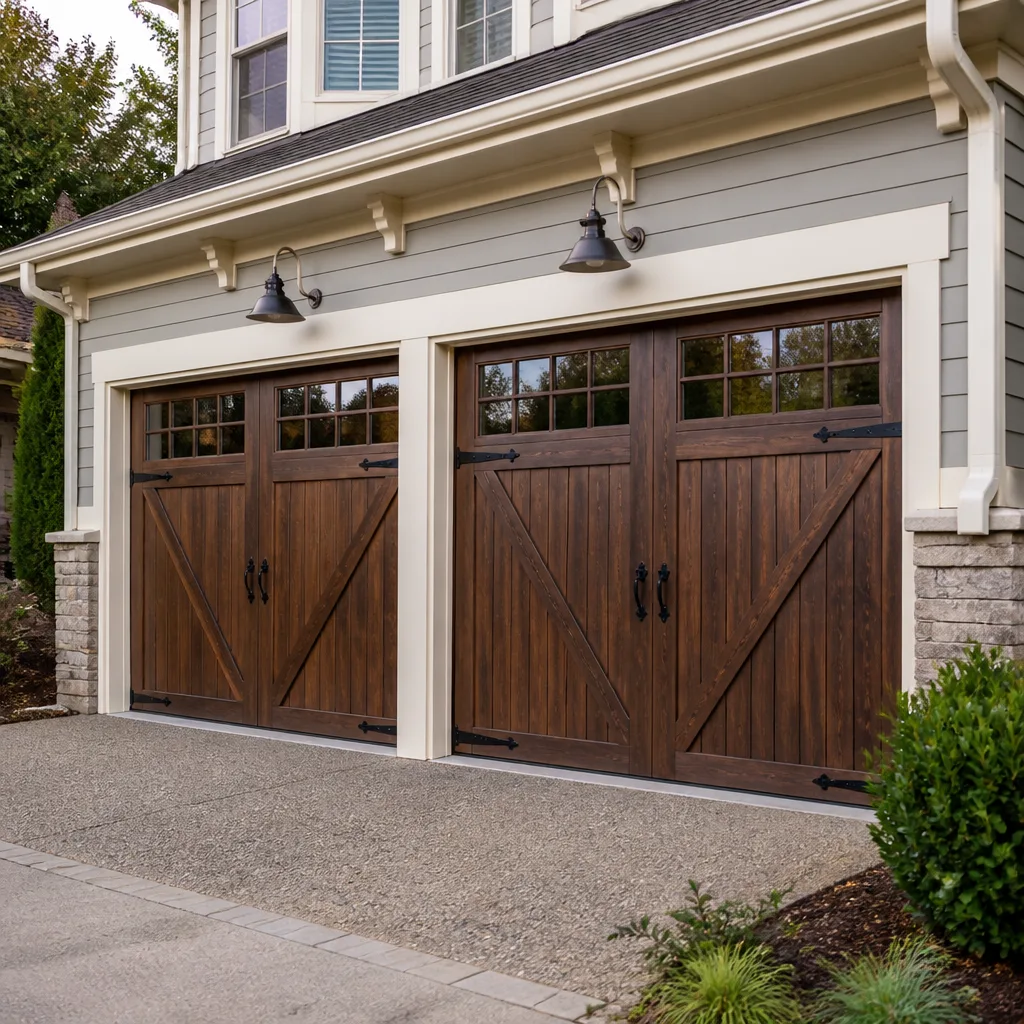 Carriage house
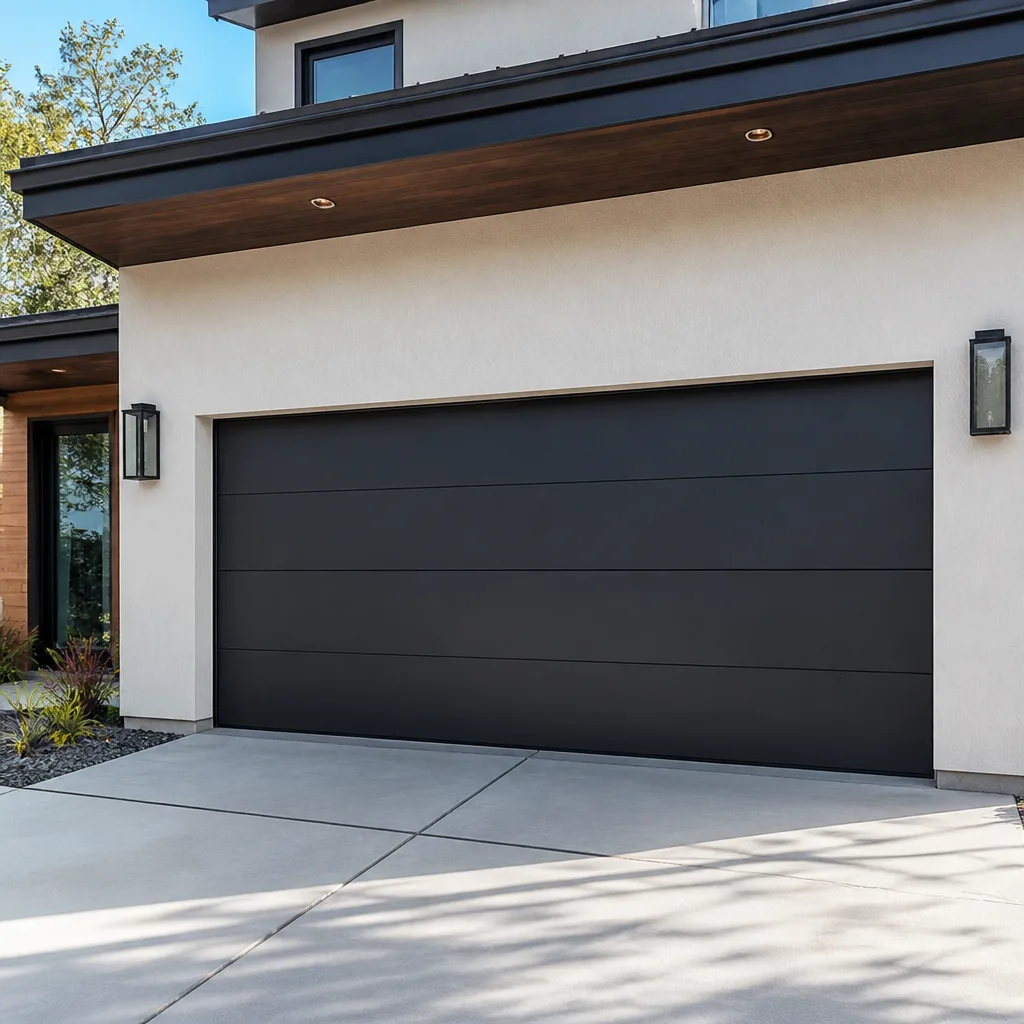 Modern flush
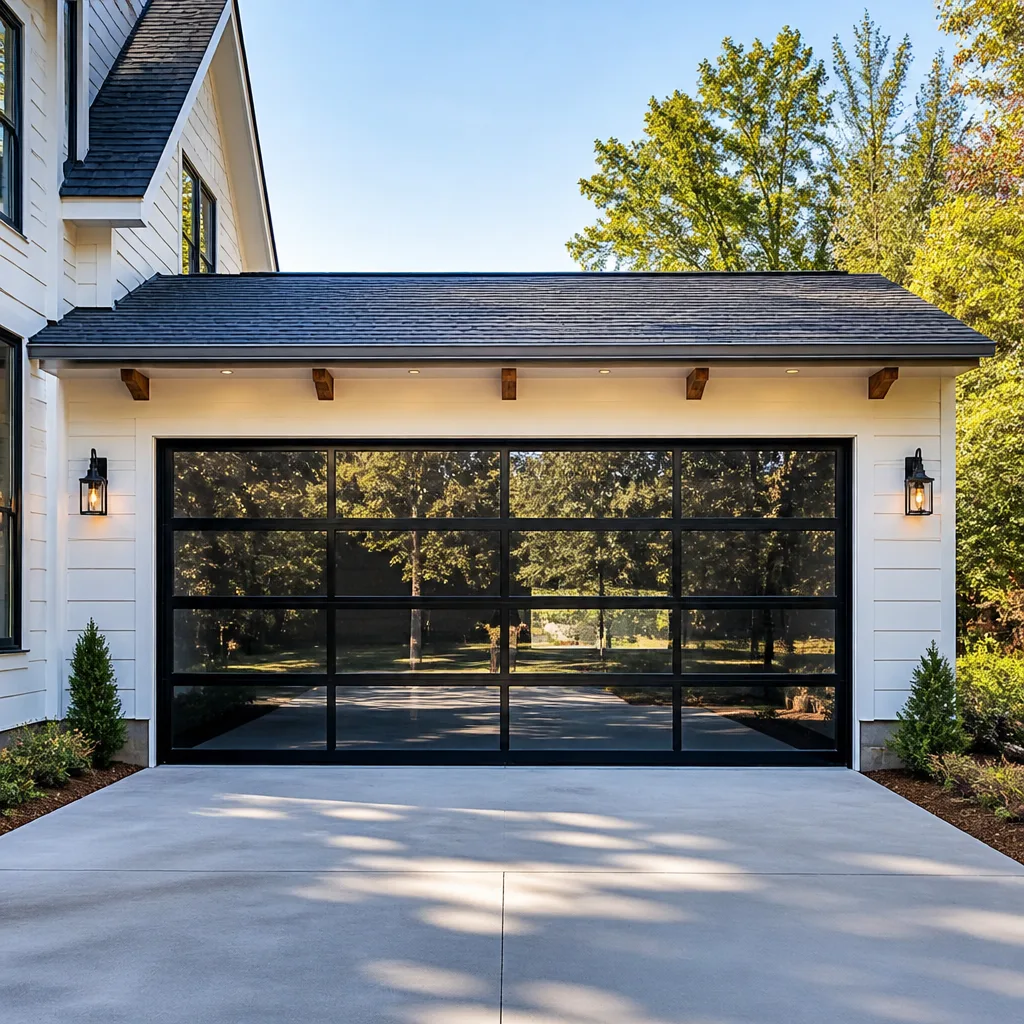 Full-view glass
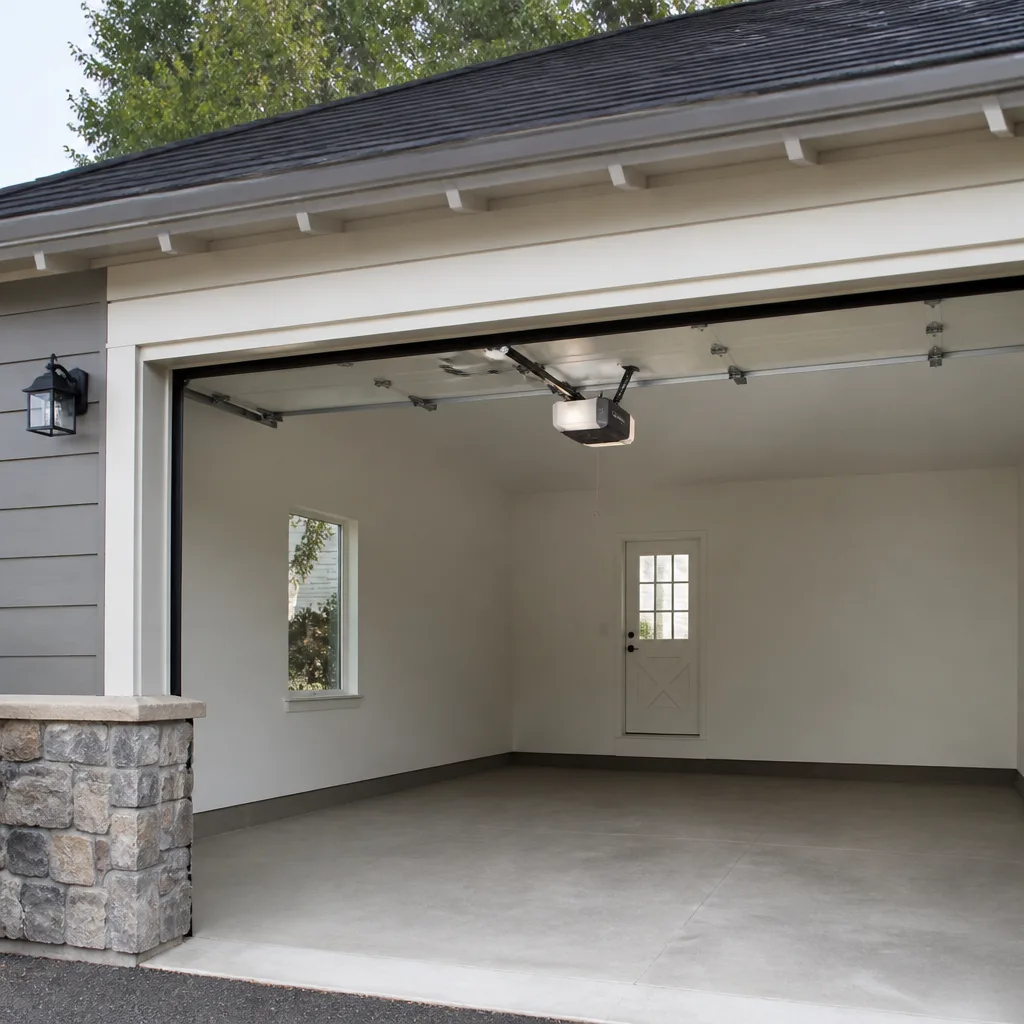 LiftMaster openers
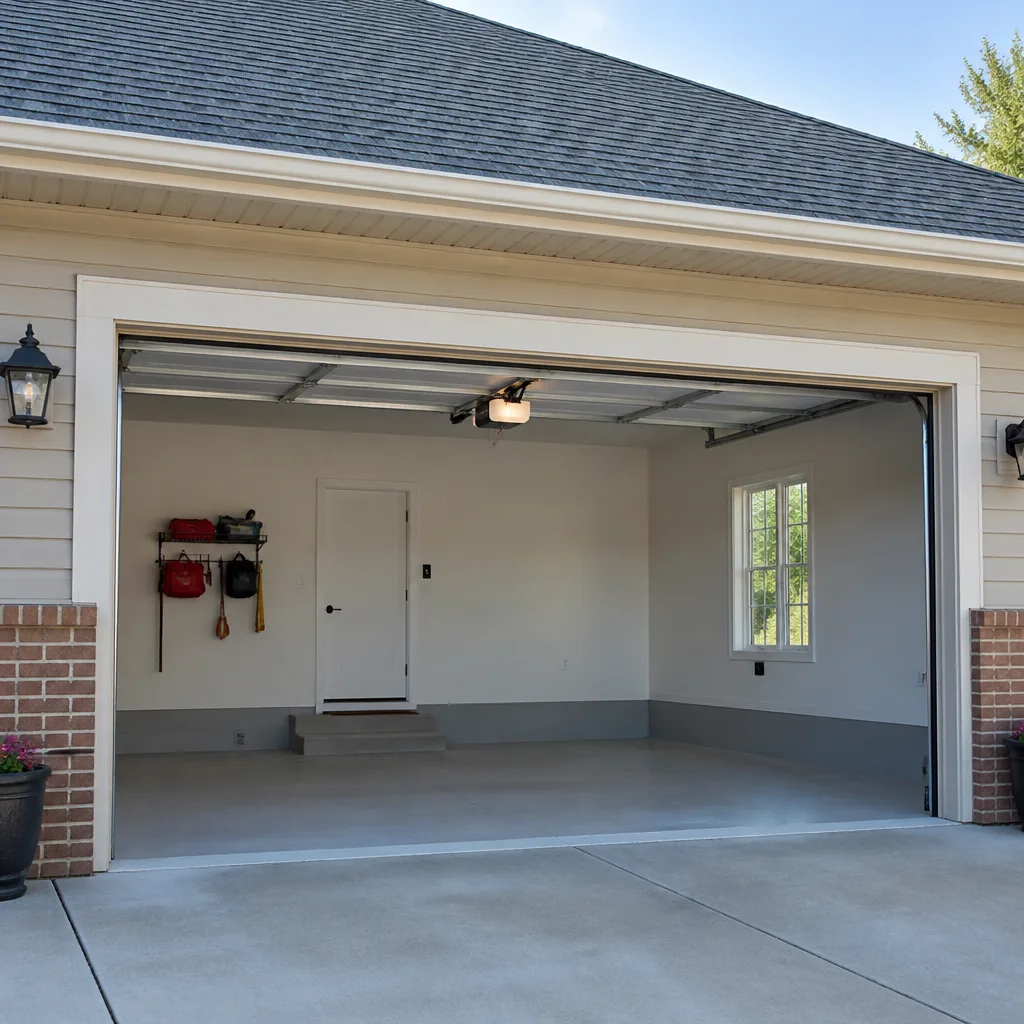 Chamberlain openers
Full 25-point door and opener safety check with every visit - springs, cables, rollers, tracks, and your LiftMaster or Chamberlain opener included
You get a price before we start. It does not change when the pro arrives.
Get your free estimateGarage Door Emergency Preparedness Guide for Hempfield Township Homes
Most homeowners think the hard part of a garage door emergency is finding a repair service. It isn’t. The hard part is the ten minutes before you call, when the door is stuck open in a snowstorm or your car is trapped behind a spring that just snapped. Two things determine whether that stretch goes smoothly: whether you know how to release the door by hand, and whether manual operation is safe given what broke. This guide walks through both, plus the winter-specific failures that show up across Hempfield Township when temperatures drop, the right way to secure an open door while you wait, and the exact details to have ready so a repair visit starts with a real diagnosis instead of a guess. Read it once now, and a future 7 AM won’t catch you cold.
Quick Answer
A garage door emergency in Hempfield Township comes down to one sequence: stop operating the door, decide whether manual release is safe, secure the opening if the door is stuck open, then call a specialist with your model and symptom details. If a spring or cable is broken, do not run the door by hand or by opener. Pull the red release cord only when the door is fully closed and the springs and cables are intact.
Styles & brands we work with
- Raised-panel steel
- Carriage house
- Modern flush
- Full-view glass
- LiftMaster openers
- Chamberlain openers
Table of Contents
- How do you safely release a garage door by hand?
- When should you NOT manually operate a broken door?
- How do you secure a garage door stuck open?
- What do you do during a power outage?
- What winter emergencies hit Hempfield Township doors?
- What should you have ready when you call?
- How do you prepare before anything breaks?
How do you safely release a garage door by hand?
The manual release lets you disconnect the door from the opener so you can lift it yourself. It’s a red cord or handle hanging from the trolley that rides on the opener rail. Pulling it disengages the trolley so the door moves free of the motor. That’s the whole mechanism, and it’s the single most useful thing to understand before you need it.
The safe way to use it follows a fixed order:
- Close the door completely first if the opener will still move it, or confirm it’s already down.
- Make sure no one is standing under or near the door.
- Pull the red release cord straight down toward the door, not at an angle.
- Lift the door slowly by hand to test its weight. A door that lifts without strain is a door you can move manually.
- Lower it gently. Don’t let it drop.
One detail people miss: pulling the release with the door open leaves a raised door with nothing holding it up but you. The springs are under tension and the door is heavy. That’s how injuries happen during a power outage in a Hempfield Township home. Release only with the door down.
Once the door is disconnected, guide it up and down slowly. If it feels much heavier than it should, or if it drops faster than you can control, stop and leave it down. That weight tells you the springs aren’t doing their job, and we cover that in the next section.
When should you NOT manually operate a broken door?
There’s a specific scenario where the red cord stays where it is: when a spring or a cable has broken. The manual release is designed for power failures, not for broken hardware. The two are not the same, and treating them the same is the mistake that causes injuries.
Why it matters is simple physics. A torsion spring holds the full weight of the door balanced against gravity. When that spring snaps, the door can weigh many times what you expect, and lifting it puts that load onto you and onto a single remaining cable. A broken cable is worse. The door is now hanging on one side, and the intact side carries all the tension. Moving the door can send the whole assembly crashing or whip the loose cable.
Leave the door alone and call a specialist if you see any of these:
- A loud bang followed by a door that won’t lift, or lifts like a dead weight
- A visible gap or coil separation in either torsion spring above the door
- A cable hanging loose, kinked, or off its drum
- A door that hangs crooked, with one side low
- Rollers popped out of the track or a bent track section
Springs are a safety component, not a wear item you swap like a light bulb. They’re under extreme tension even when the door is at rest. In our experience, this is the one repair where every minute of hesitation in favor of caution is well spent. For the repair schedule, our garage door spring repair team handles the replacement, matched pairs and all.
How do you secure a garage door stuck open?
When the door won’t come down, the first job is to close the opening as a security and weather barrier. A stuck-open garage in Hempfield Township is an open invitation in more ways than one – wind, snow, and anyone walking past. You can’t force the door down with broken hardware, so you secure the opening with what you have until a repair visit can start.
Here’s the sequence we recommend:
- Don’t try to lower a door with a broken spring or cable. Leave the panel where it sits until it’s repaired.
- If the door is open only partway or the problem is with the opener, use the manual release with the door down, then lower it yourself and prop or lock it.
- For a fully stuck panel, block the opening from inside with whatever is heavy and stable. A parked vehicle, a stacked set of bins, or a piece of furniture can hold the gap.
- Engage the door’s own slide bolt or interior lock if the door has one. This locks the panel in place where it’s already sitting.
- Add a jam bar or a length of lumber braced across the opening at floor level if the door sits low enough.
- Move anything valuable away from the opening and out of the weather.
The parts of the door system you can lean on as a physical lock are the slide bolt and the interior deadbolt if the door has them. Those hold the panel shut. They don’t fix a broken spring, but they buy you a defended opening while you wait for repair.
Call for repair and describe the situation as “secure the opening” first if you’re worried about overnight security. When you call, getting a repair out starts faster when you say the door is stuck open and give the model. We’ll return to what to have ready a few sections down.
What do you do during a power outage?
During a power outage, you either have a battery backup opener or you don’t, and the two paths differ. A battery backup opener keeps running on its built-in battery for a limited time so you can open and close the door normally while the grid is down. A standard opener is dead until the power returns, and the door has to be released and moved by hand.
If you don’t have a battery backup, the correct sequence is the manual release you already know: door down, red cord pulled, lift by hand. Simple, as long as the springs are healthy. This is exactly why the release cord should be something you understand before the outage, not during it. A cold night is not the time to be learning which cord does what.
When power comes back and you have a standard opener, reconnect it with care. The trolley is still disconnected from the chain or belt. Here’s how to re-engage it without damaging anything:
- With the door fully closed, stand clear of the rail.
- Run the opener once with the remote or wall button. The trolley will travel to meet the door arm.
- When the trolley clicks into the door arm’s bracket, it re-engages automatically. You’ll hear the click.
- Press the button once more and watch the door travel the full way up and down.
- If it doesn’t catch, or the opener strains at the ends of travel, stop. The trolley may have slipped its stop, and forcing it can strip the drive gear.
If the opener behaves oddly after a reconnect – jerking, reversing partway, or not catching – it’s worth having it checked rather than running it repeatedly. Opener repair is its own kind of work, and our garage door opener repair team handles standard and smart units from the major brands. A weak backup battery is also common with older units; replacement batteries are a simple part we can supply directly.
What winter emergencies hit Hempfield Township doors?
Hempfield Township winters bring the freeze-thaw cycle that causes the most common cold-weather garage door problem: a door frozen to the floor. Moisture gets under the bottom seal, freezes overnight, and the door is bonded to the concrete by morning. The opener runs, the motor strains, and something has to give.
Here’s the fix for a frozen door, in order:
- Don’t press the opener repeatedly. Each attempt loads the opener and the door hardware with force it wasn’t built to handle against a sealed edge.
- Identify the bond. Look along the bottom seal for ice.
- Break the seal with warm water or a gentle heat source applied to the seal line, not the opener. A hair dryer on a low setting, moved along the gap, does the job.
- Once the door lifts freely by hand, run it once with the opener to confirm it’s clear.
The force threshold is the real lesson. Openers are built with a force limit for safety – that’s what makes them reverse on contact. Pushing against a frozen floor loads the motor, the trolley, and the door’s springs beyond their normal operating range. Even if the opener eventually muscles the door up, you’ve stressed the mechanism and possibly stripped the drive. A frozen door that yields to the opener is not a door that’s fine. It’s a door that got lucky.
Two more cold-weather things worth knowing. The bottom seal is a rubber gasket on the floor edge that can stiffen and crack in a Hempfield Township cold snap, letting meltwater under the door. And cold temperatures can make older door panels, particularly steel ones from older Wayne Dalton and Raynor installs, more brittle. If a panel cracks from the cold, that’s a part replacement rather than a repair – and we can source it directly.
What should you have ready when you call?
The fastest emergency dispatch starts with accurate details on the first call. A technician who knows the brand and the symptom can arrive with the right parts on hand instead of ordering them after seeing the door. That difference is measured in how many trips the repair takes. With so many door systems in Hempfield Township – from LiftMaster and Chamberlain openers to Clopay and Amarr doors – details reduce guesswork to a real diagnosis.
Have these ready before you dial:
- The brand and model of the door and the opener, if printed on a label or the manual. A photo of the opener’s label is faster than reading it aloud.
- What broke, in plain words: “spring snapped,” “door won’t come down,” “opener runs but door doesn’t move,” “door reverses partway.”
- When it happened and whether anything unusual preceded it – a bang, a grinding noise, or a slow decline.
- A photo of the door in place and a close-up of the spring, cable, or opener.
- Whether the door is stuck open, loosely open, or down.
- Your address and any gate or access detail we’d need to reach the door.
The symptom language matters more than it looks. “Opener runs but door doesn’t move” points to a disconnected trolley or a snapped spring. “Door reverses immediately” points to a safety sensor. “Door grinds going up” points to rollers or track alignment. Each of those sends the call down a different path, and describing it closely shortens the visit. The same goes for brand identification. Craftsman and Genie openers don’t fail identically, and knowing which you have tells us what to expect at the trolley.
If you can, set the phone down and take the photo before you call. It takes a few seconds and saves a lot of back and forth.
How do you prepare before anything breaks?
The best garage door emergency is the one you avoid, and the preparation takes one unhurried walk through the garage. You want to know three things: where the red release cord hangs, how your door feels when you lift it by hand, and whether your opener has a battery backup. If you can answer all three without thinking, you’re ready for the worst.
An annual walk-around is worth the few minutes. Look for:
- The red release cord, clearly visible and hanging where you’d find it in the dark.
- A slight spring in the door when you lift it partway by hand – it should feel balanced, not heavy.
- The opener’s force and travel settings, visibly adjusted (check the manual).
- The safety sensors at the floor, clear of snow, leaves, and debris.
- Any rust, fraying, or gap in the springs, cables, or rollers.
A battery backup on your opener is a real upgrade in a Hempfield Township home where winter outages are common. If you have one and you’re not sure of its age, the battery itself is a part we supply directly, so you can replace it before the next storm rather than after. That’s the “repair first, replace only when it makes sense” approach, and it keeps a working opener working.
The other preparation is to know who you’ll call. A spring or cable failure is not a job for the ladder-and-screwdriver approach – it’s the kind of repair that sends experienced technicians to the hospital when they’re careless. Our technicians have up to 13 years of experience with exactly this work. Pulling the door by hand to test it and having a repair number ready puts you in charge of the situation rather than behind it.
Common Mistakes to Avoid
- Pulling the red cord with the door open. The door comes down on the trolley, and disengaging it leaves you holding the weight. Release only with the door fully closed.
- Running the opener against a broken spring or cable. The motor will run, the door won’t move cleanly, and you risk stripping the drive and bending the track.
- Forcing a frozen door with the opener. Cracking the ice by hand or with warm water is the fix; repeated opener attempts stress the motor and springs.
- Propping a broken door open with a block of wood. That’s a temporary fix that can slip and drop a panel. Use something stable and heavy, and call for repair.
- Calling without the model or a photo. It slows dispatch and can turn a one-trip repair into an order-and-wait situation.
- Trying to repair a spring or cable yourself. The hardware is under constant tension. Even a door that looks idle can be at full spring load.
- Assuming a dead opener means a full replacement. A bad battery, a disconnected trolley, or a misaligned sensor is a repair, not a new opener.
See the difference
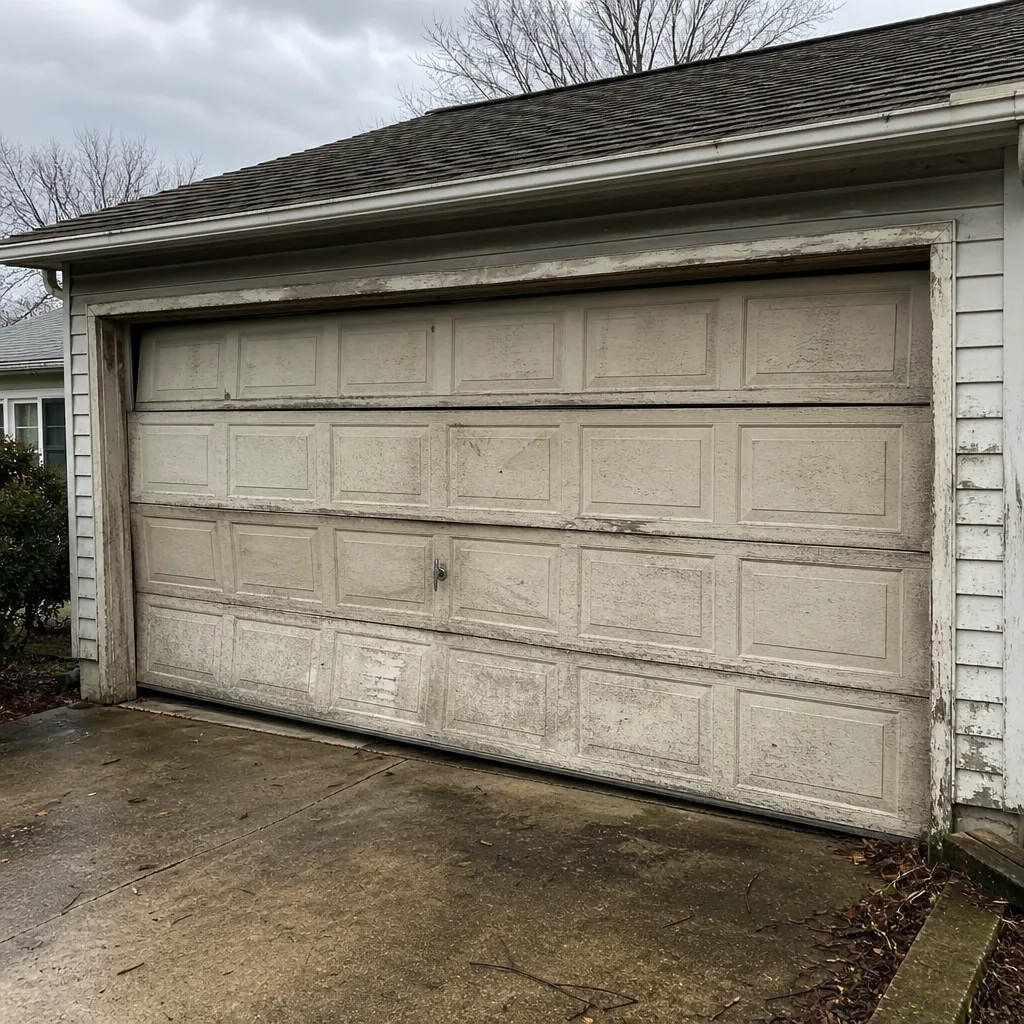 Before
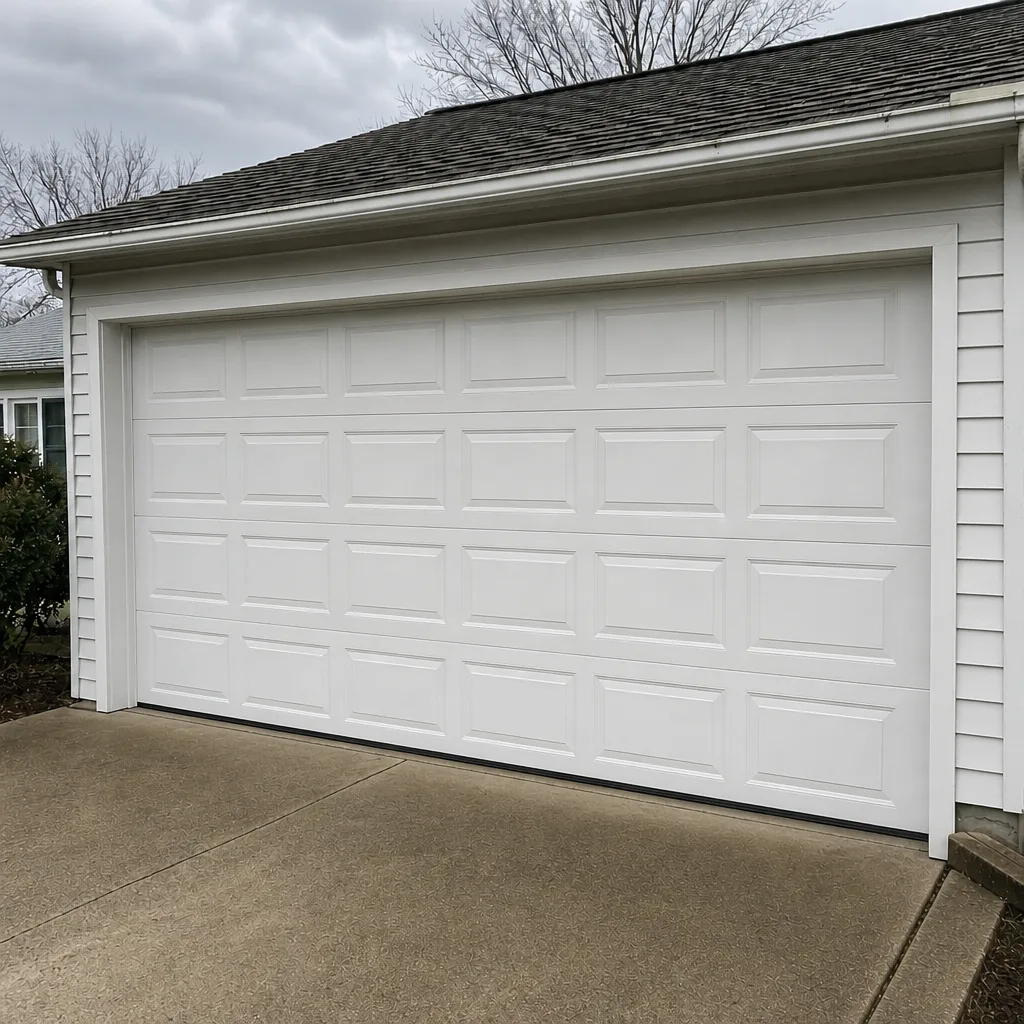 After
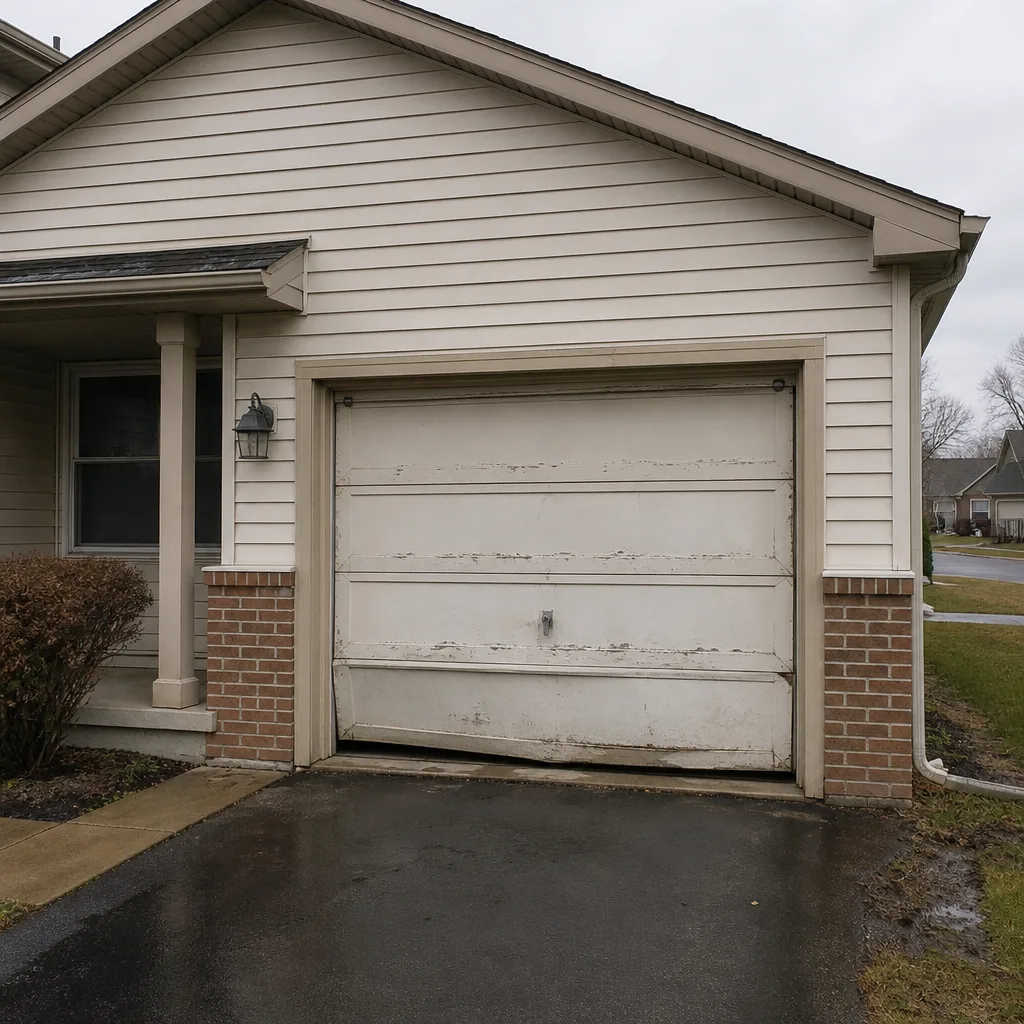 Before
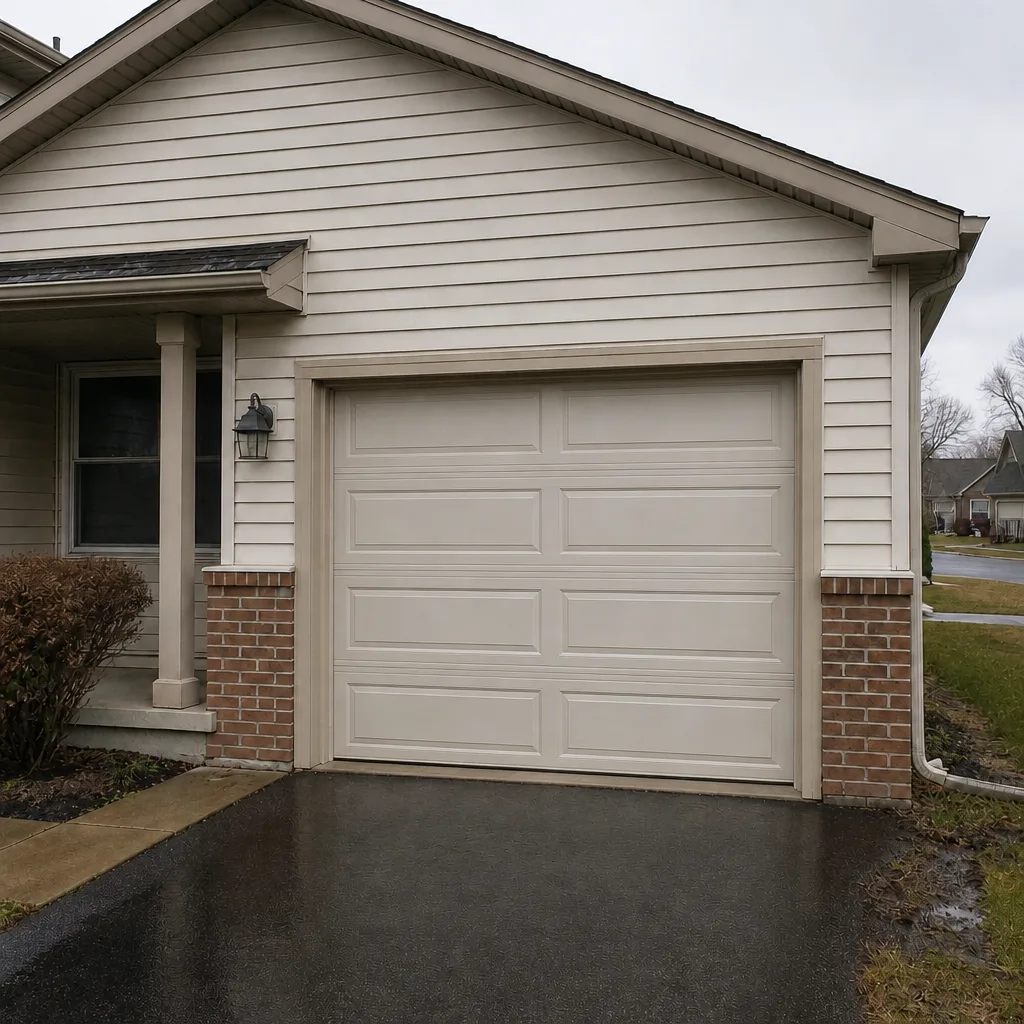 After
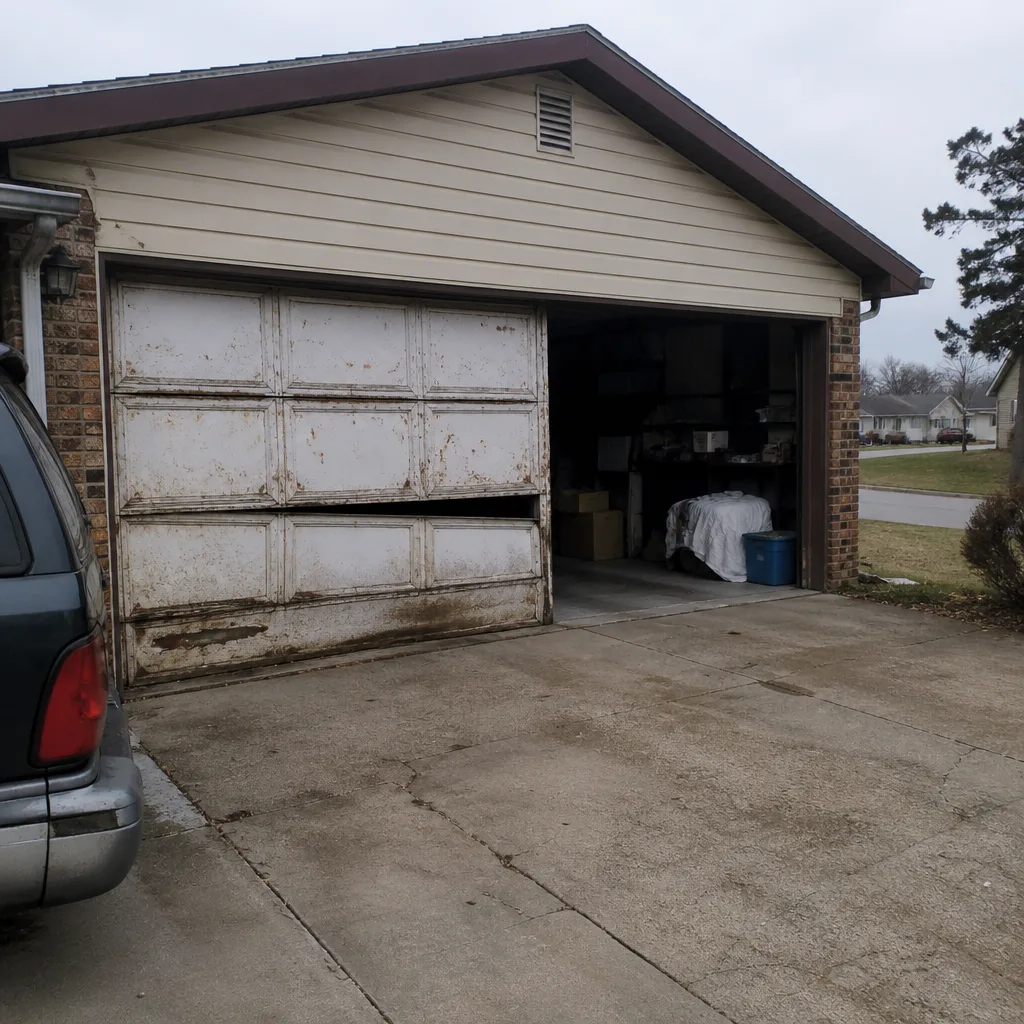 Before
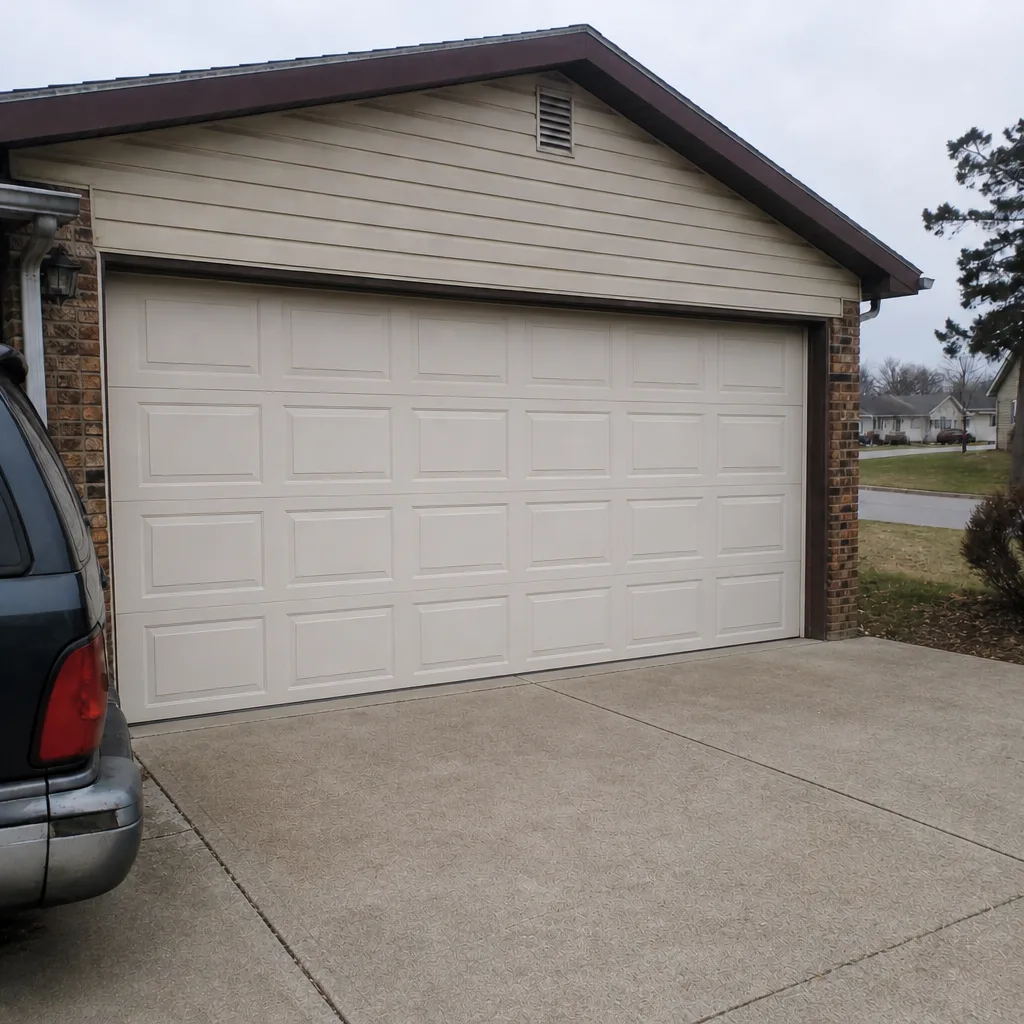 After
When to Call a Professional
Call a specialist the moment you see a broken spring, a loose or snapped cable, a bent track, or a door that hangs crooked. Those are the cases where the door stores real force even sitting still, and where a repair visit is the safe answer rather than a cautious one. A stuck-open door overnight, an opener that runs without moving the door, or a frozen bottom seal that won’t free up are all good reasons to call as well. What you shouldn’t do is keep pressing the button hoping it changes. Garage Door Repair Hempfield offers free estimates in Hempfield Township – call (833) 482-6572. Our technicians have up to 13 years of experience, cover every brand in the major systems, and work on what you already own. And the price is agreed before any work starts, so there’s no surprise when the invoice arrives.
Frequently Asked Questions
No. Don’t move a door with a broken spring or cable by hand. The spring balances the door’s weight, and with it broken the full load lands on you and the remaining hardware. Leave the door where it is and call a repair specialist to replace the spring.
A broken spring usually makes a loud bang and leaves the door heavy or stuck, while a problem with the opener leaves the door easy to lift by hand but the motor running without moving it. If you lift the door a few inches by hand and it feels light and balanced, the springs are likely fine and the opener is the issue. If it feels heavy or the door won’t lift, suspect the springs.
Not if you can avoid it. A stuck-open door leaves the home exposed, and in cold weather it lets in snow and wind. Engage the door’s slide bolt or interior lock if it has one, block the opening from inside with something heavy and stable, and call for repair. Pushing the door down by force on broken hardware isn’t safe.
No. The written estimate sets the price and the work is agreed before it starts. If we find a second issue, like a worn roller or a cracked bottom seal, we’ll show you and give you a new estimate before doing anything. You’ll never get a bill that grew without your say-so.
Press the button once with the door down and stand clear of the rail. The trolley should travel to meet the door arm and click into place. If it doesn’t catch, or the opener strains at the ends of travel, stop and have it checked rather than running it repeatedly, since forcing it can strip the drive gear.
Yes. We service the major brands, including LiftMaster, Chamberlain, Genie, Clopay, Amarr, Wayne Dalton, Craftsman, and Raynor, for both doors and openers. That matters in an emergency, because knowing the specific failure pattern of your system shortens the diagnosis. Call (833) 482-6572 to schedule a free estimate.
The Bottom Line
A garage door emergency is a sequence, not a scramble. Know where the red release cord hangs, know that a broken spring or cable means hands off, and know how to secure an open door and get the opener re-engaged after an outage. In Hempfield Township, the winter freeze-thaw adds a frozen-floor problem that the opener alone should never be asked to solve. Have your model, a photo, and a plain description ready when you call, and the repair starts faster with fewer trips. If you’d rather not think about it until something breaks, we understand. Call (833) 482-6572, and we’ll take it from there. For routine problems, you can also reach us through garage door repair and Garage Door Repair Hempfield.
Written by the team at Garage Door Repair Hempfield.