Last updated November 23, 2026
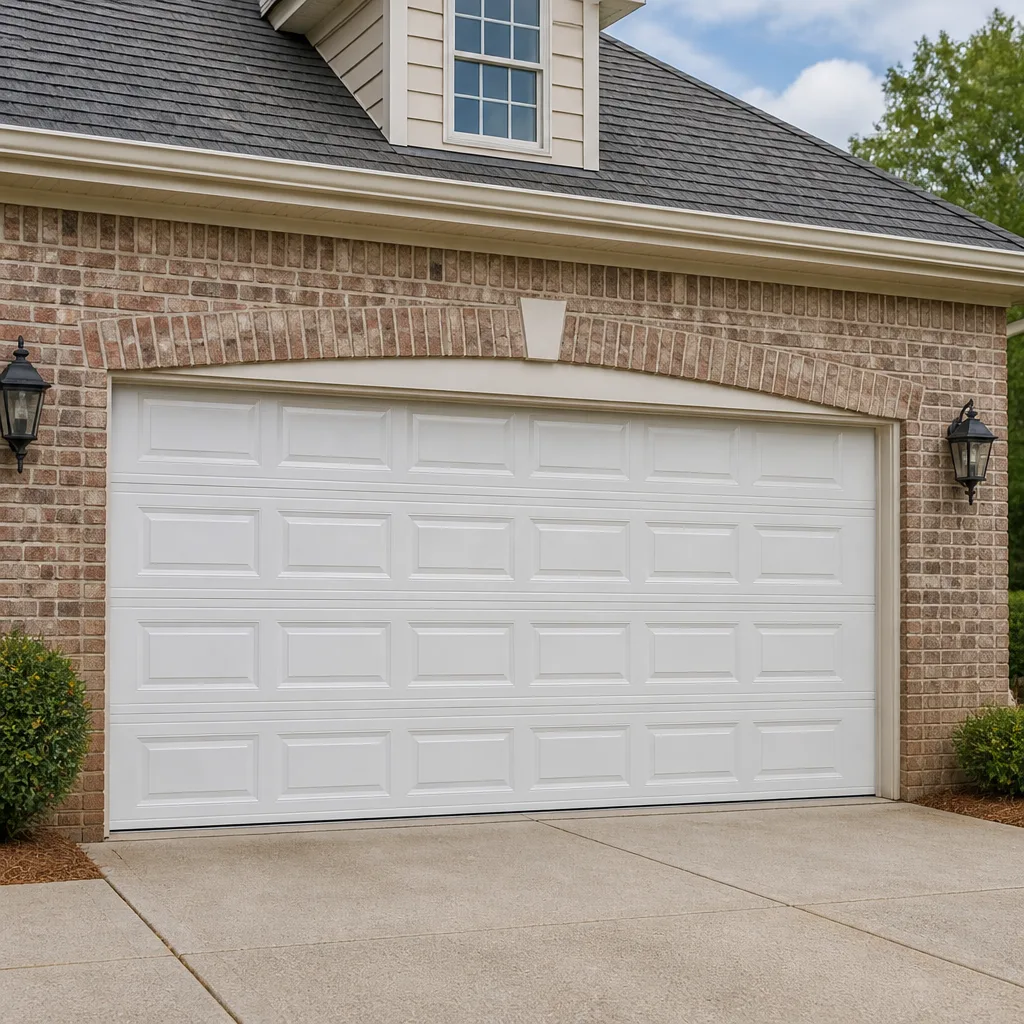 Raised-panel steel
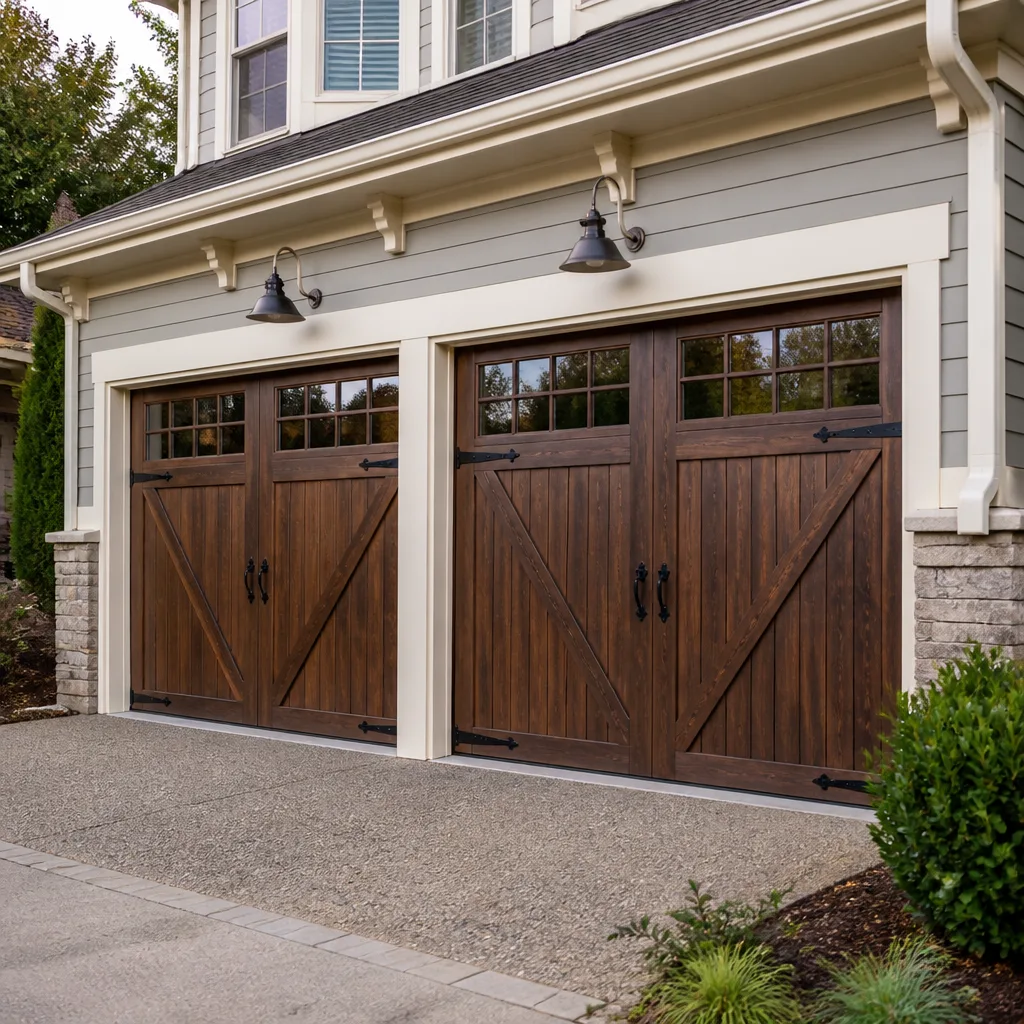 Carriage house
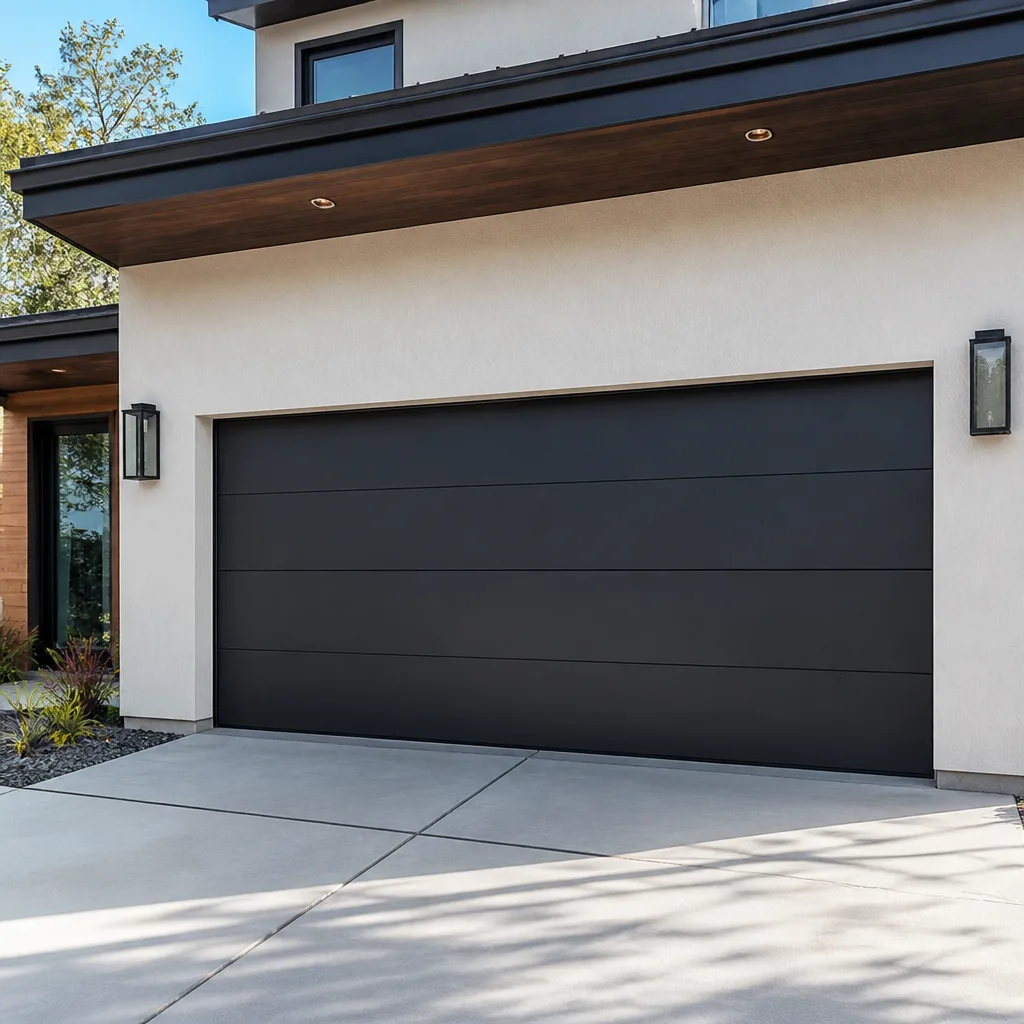 Modern flush
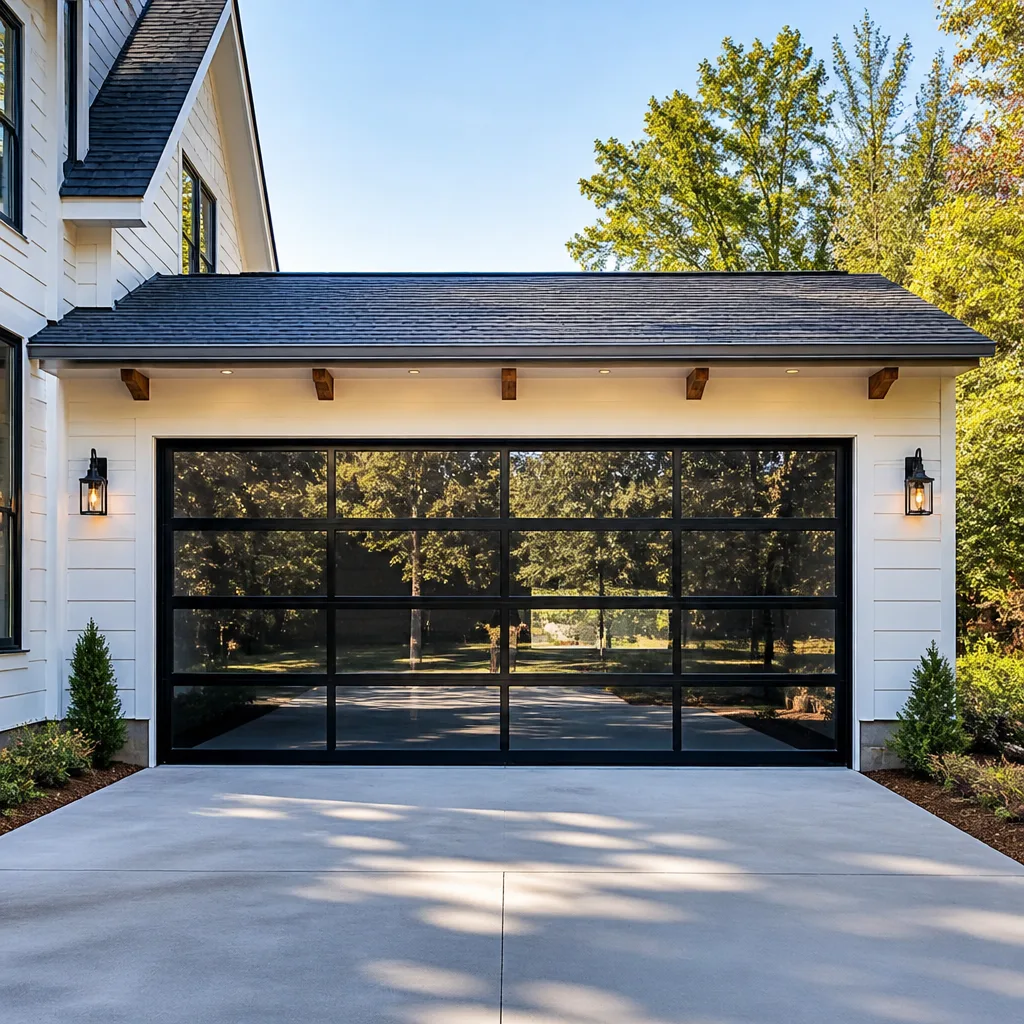 Full-view glass
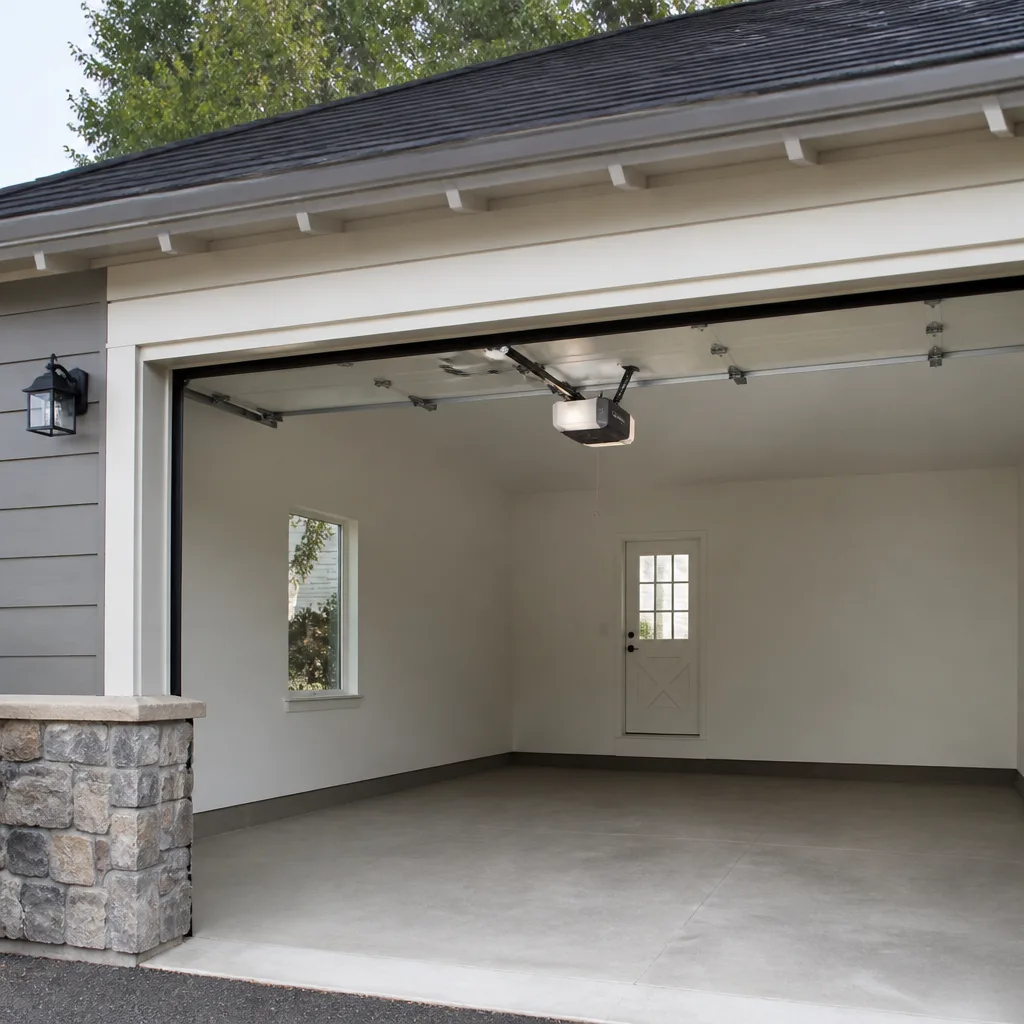 LiftMaster openers
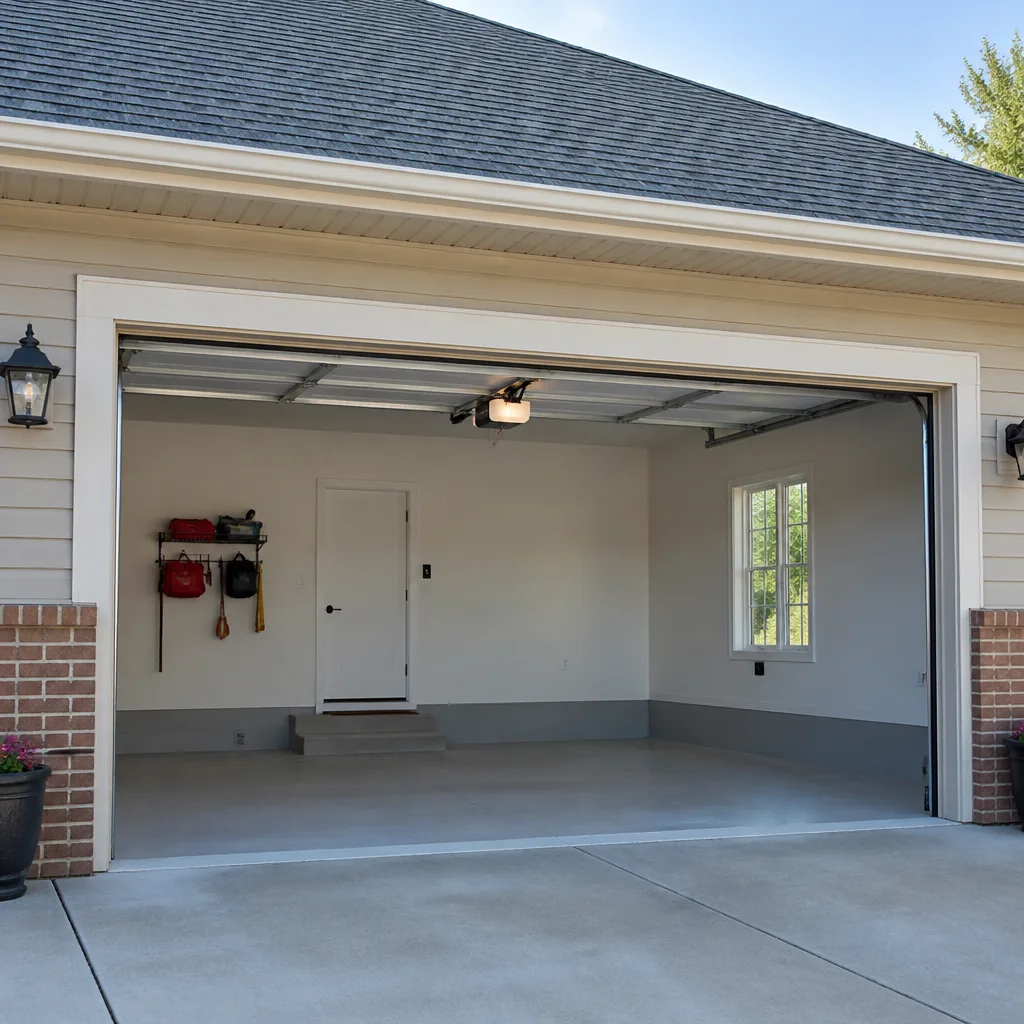 Chamberlain openers
Full 25-point door and opener safety check with every visit - springs, cables, rollers, tracks, and your LiftMaster or Chamberlain opener included
You get a price before we start. It does not change when the pro arrives.
Get your free estimateSeasonal Garage Door Care for Hempfield Township: Year-Round Homeowner’s Guide
Cold doesn’t break garage door springs. Repetition does. The most common spring failures we see don’t happen in the deepest part of January; they cluster in the shoulder seasons, March and November, when the door cycles through freeze-and-thaw dozens of times in a few weeks and the steel is asked to flex more than it does in steady weather. Hempfield Township sits in that swing, with sub-zero wind chills in winter and humid air in the nineties come July, and each end of that range puts a different kind of stress on your door hardware. This guide breaks the year into four stress profiles and tells you what to inspect, what to lubricate, and what to leave to a technician in each one.
Quick Answer
Garage door care in Hempfield Township follows the seasons: lubricate springs, hinges, and rollers in fall before cold thickens grease, keep the bottom seal clear of ice in winter, inspect cables and seals for thermal wear in spring, and check torsion spring tension and wooden panel warping in summer. One task per season is a safe homeowner job. The rest requires a trained technician, especially anything involving springs, cables, or the counterbalance system.
Styles & brands we work with
- Raised-panel steel
- Carriage house
- Modern flush
- Full-view glass
- LiftMaster openers
- Chamberlain openers
Table of Contents
- Why Fall Is the Highest-Leverage Season for Your Garage Door
- Winter: What to Do When Your Door Freezes to the Floor
- Spring: The Post-Freeze Inspection Checklist
- Summer: Heat, Tension Calibration, and Wooden Panel Warping
- The One Task You Can Do vs. the One That Needs a Technician
- Why Brand-Specific Parts Matter in Hempfield Township
- Common Mistakes to Avoid
- When to Call a Professional
- Frequently Asked Questions
- The Bottom Line
Why Fall Is the Highest-Leverage Season for Your Garage Door
Fall is the season that pays you back twice. Whatever you do to your door in October and early November protects the hardware straight through the coldest stretch, and it costs you less effort now than a repair does later. The core reason is grease viscosity. Lubricant thickens as temperature drops, and thick grease stops flowing into the hinges and rollers where it’s needed. If you apply it while the weather is still mild, it has time to work into the pivot points before the cold locks it in place.
Here in Hempfield Township, fall is also the last comfortable window to do anything on a ladder or kneeling on a cold concrete slab. Once the ground freezes and the wind picks up, everyone finds a reason to postpone. That’s why the fall checklist matters most.
The fall prep list
- Lubricate the torsion springs, hinges, and roller bearings with a garage-door-specific lubricant, not general-purpose oil or WD-40, which attract grit and gum up in cold.
- Wipe down the bottom seal and check for cracks or hardening. A stiff seal that cracks in the cold lets water in under the door.
- Test the auto-reverse safety feature by placing a roll of paper towels under the door and closing it. It should reverse on contact.
- Clear debris from the tracks and confirm the door runs smoothly by hand (with the opener disengaged) before you re-engage it.
- Check the opener’s force settings and travel limits, especially on a LiftMaster or Chamberlain unit that has been running all summer.
One note: never lubricate the tracks themselves. Track lubrication collects dust and debris, and it makes the rollers skid rather than roll. Keep the tracks clean and dry. If your door is having trouble and you need a technician, our Garage Door Repair Hempfield team handles the full system.
Winter: What to Do When Your Door Freezes to the Floor
A door frozen to the floor is the most common winter call we get in Hempfield Township, and it’s the one where a quick reaction can do the most damage. When the bottom seal freezes to the concrete, the opener motor pulls hard against a door that won’t move, and it can strip the gear, damage the trolley, or burn out the motor winding. The fix starts with patience, not force.
Steps to free a frozen door safely
- Disengage the opener using the manual release cord so the motor doesn’t fight the ice.
- Break the ice bond along the bottom seal with a plastic scraper or a blunt tool. Never use a metal shovel or an ice pick against the rubber.
- Warm the seal area with a hair dryer on a low setting, moving back and forth. Never use a heat gun or open flame; rubber and plastic deform quickly.
- Once the door lifts by hand, clear the ice and snow from the threshold before you re-engage the opener.
- Inspect the bottom seal. A seal that cracked during the freeze should be replaced, or it will re-freeze worse next time.
This is a repair-and-prevention topic, so if your opener is already making a grinding sound or the door stops halfway, call us at (833) 482-6572 and we can schedule a same-day visit. We keep garage door opener repair as a specialty because a frozen door often means the opener has already taken damage.
Winter also slows down your springs. Cold steel is less ductile, and a spring that was marginal in fall can fail on the first hard freeze. That’s why the fall lubrication step matters; it doesn’t prevent failure, but it keeps the spring cycling more smoothly through the cold.
Spring: The Post-Freeze Inspection Checklist
Spring is inspection season. The freeze-thaw cycle of a Hempfield Township winter puts real stress on cables, rollers, and seals, and the damage often stays hidden until something fails. You don’t need to fix everything you find; you need to catch it before it becomes an emergency.
What to check after the thaw
- Cables: Look at the cables running alongside the springs. Frayed strands, kinks, or slack on one side are signs of wear. Cables are under high tension and should never be adjusted by a homeowner.
- Rollers: Worn nylon or steel rollers develop flat spots and cause the door to rumble or run off-center. A door that wobbles on one side is telling you the rollers need attention.
- Bottom seal: Check for cracking, splitting, or a seal that has pulled away from the door. This is the cheapest fix and one of the most important for keeping water out.
- Springs: If you see a visible gap in a torsion spring or your door suddenly feels much heavier to lift, the spring has likely failed. Leave it alone and call a technician.
- Tracks: Loose track brackets and dents from winter ice or a bumped car are common after a long winter.
This is also the season when the door’s balance can shift. If the door doesn’t stay in place when you lift it halfway and let go, the spring tension is off. That’s a technician job. Garage door spring repair is the single most hazardous task in this trade, and we handle it in-house. A torsion spring under load can cause serious injury, so don’t test or adjust it yourself.
Summer: Heat, Tension Calibration, and Wooden Panel Warping
Summer is the season everyone ignores the garage door, which is why it’s the season when small problems quietly get worse. Heat does two things: it changes spring tension calibration, and it works on the wooden components of older doors.
Steel expands with heat, and so do the springs themselves. A torsion spring calibrated in a 40-degree spring day will feel slightly different in 95-degree heat. For most doors the difference is minor, but if your door starts creeping up or failing to close fully in July, the tension may need recalibration. That’s a technician task; the springs are still under the same load, and the danger doesn’t drop because it’s warm out.
Humidity is the bigger issue for wooden doors. A wood-panel door absorbs moisture in the humid Hempfield Township summer, and panels can swell, bow, or pull away from their frames. You’ll see it as gaps at the seams or a panel that looks warped. Left alone, warped panels stress the hinges and rollers and can eventually jam the door. A wooden door benefits from a seasonal inspection, and a peeling finish should be refinished before fall moisture gets into the grain.
Summer is also when openers work hardest. A garage that sits in direct sun can run hot, and a legacy opener that’s near the end of its life often chooses the hottest week to quit. If you’re running a Craftsman or Genie opener that’s been sluggish, it’s worth getting it checked before it fails in the middle of a hot afternoon. That’s the kind of call we take for garage door repair in Hempfield Township.
The One Task You Can Do vs. the One That Needs a Technician
Knowing the line between a homeowner job and a technician job is the most useful skill in seasonal garage door care. Cross it the wrong way and you risk the door, or yourself. Here’s how we draw the line in our own work.
Homeowner-safe tasks (one per season)
- Fall: Lubricate springs, hinges, and roller bearings with a proper garage door lubricant.
- Winter: Free a frozen door safely by disengaging the opener and warming the seal.
- Spring: Inspect cables, rollers, and seals visually and replace a cracked bottom seal (a low-risk, low-tension job).
- Summer: Refinish or treat a wooden door’s finish before humidity sets in.
Technician-only tasks (the dangerous side of the line)
- Any adjustment, replacement, or testing of torsion or extension springs.
- Any work on the cables, which are under the same high tension as the springs.
- Recalibrating spring tension after a season swing.
- Repairing a stripped opener gear or a burned motor.
- Realigning bent tracks, which changes how the door seats and how the safety reverse behaves.
Springs are a safety component, not a wear item you swap like a lightbulb. If the door feels heavy, if you hear a loud bang from the garage, or if the door won’t stay up, that’s the call to make.
Why Brand-Specific Parts Matter in Hempfield Township
Every garage door system has its own tolerances, and the parts are not interchangeable across brands. A spring sized for one door’s weight and cycle count won’t match another door even if the dimensions look close. This is why brand knowledge matters as much as the repair skills themselves.
We service eight major brands: LiftMaster, Chamberlain, Genie, Clopay, Amarr, Wayne Dalton, Craftsman, and Raynor. That range means when we arrive at your Hempfield Township home, we know the failure patterns of your opener and the parts your door was built around. A Raynor door wears differently than a Clopay, and a Chamberlain opener’s travel-limit settings aren’t the same as a Genie’s. Knowing those specifics cuts down on guesswork and on trips back and forth.
Parts availability is the other half of the story. We supply parts directly, which means a repair isn’t held up waiting on a third-party order. If you’re comfortable handling a homeowner task and just need the right component, you can source it from the same specialists who do the repairs. For a repair that needs a technician, order the part and book the visit together and skip the waiting.
Common Mistakes to Avoid
- Lubricating the tracks. Tracks should stay clean and dry. Grease on the tracks collects grit, and the rollers skid instead of rolling, which wears the door unevenly.
- Forcing a frozen door with the opener. The motor will strip gears or burn out before the ice gives. Disengage the opener first, every time, and free the seal before you re-engage it.
- Treating springs as a DIY project. A torsion spring can hold enough stored energy to cause serious injury. This is the one job where a technician is not optional.
- Skipping fall lubrication because it “looks fine.” Fall is the highest-leverage season. The door looks fine right up until the cold sets the grease and the first hard freeze finds the weak point.
- Ignoring humidity on a wooden door. A Hempfield Township summer is damp, and an untreated wooden panel will swell and warp before you notice anything wrong from outside.
- Assuming a slow opener needs replacing. A sluggish opener is often a repair, not a replacement. Repair first, and replace only when it makes sense.
- Waiting for the shoulder season. March and November are when most spring failures happen. If your door feels heavy or makes noise in those weeks, don’t wait for it to fail completely.
When to Call a Professional
Call a professional for anything that involves the springs, cables, or counterbalance system, and for any opener that’s grinding, stopping mid-travel, or failing to reverse. Call if the door is off its tracks or if one side sits lower than the other, since both are signs of a balance problem. Call if your wooden door panels are warping or a hinge has pulled loose from the frame. And call if the door is simply too heavy to lift by hand; that’s the spring telling you it’s done.
A single visit can cover the whole system: springs, opener, rollers, and seal. Garage Door Repair Hempfield offers free estimates in Hempfield Township, and our technicians have up to 13 years of experience. Call (833) 482-6572 and tell us what the door is doing. Estimates are free, and the price is quoted and agreed before any work begins.
Frequently Asked Questions
Fall is the best time, before the cold thickens the grease and the freeze-thaw cycle starts stressing the springs. A fall service sets the door up for winter, and a spring inspection after the thaw catches the wear that winter caused. Between the two, those are the highest-value service windows on the calendar.
Spring replacement is quoted per spring, and a matched pair is usually replaced together because both springs wear at the same rate. Most jobs are quoted as an estimate after we see the door, since door weight and spring type vary. Call (833) 482-6572 for an exact quote, and the price is agreed before we start.
Often yes. We offer same-day service and fast dispatch from 7am to 7pm for repairs and emergencies. Call (833) 482-6572 and tell us what the door is doing, and we’ll book the soonest available visit. Note that we’re closed on Saturdays; if the door fails on a Saturday, call and we’ll book you for Sunday.
No. The written estimate is the price, and we agree on it before any work starts. If we find something additional during the visit, we’ll explain it and get your approval before doing anything more. You won’t get an invoice larger than the quote you agreed to.
The local pro we connect you with is licensed and insured as their state requires. Our technicians have up to 13 years of experience, and spring repair is handled in-house rather than subbed out. That matters most on the dangerous jobs, where the person doing the work should know the system cold.
Yes, with care. The key is keeping the finish intact so moisture can’t get into the grain and treating any swelling or seam gaps early. A wooden door that’s refinished before the humid months handles heat and humidity far better than one that’s been left raw or peeling.
The Bottom Line
Seasonal care comes down to four stress profiles and one fall task. Lubricate springs and hinges before the cold, free a frozen door without forcing the opener, inspect cables and seals after the thaw, and watch tension and humidity through summer. The most common failures happen in the March and November shoulder seasons, not the deep cold. Do the homeowner-safe tasks yourself and leave springs, cables, and balance work to a technician. One call covers the whole door system: installation, opener repair, spring repair, and parts, so you don’t need a different contractor at each stage. Our technicians have up to 13 years of experience, and we offer free estimates in Hempfield Township.
Call (833) 482-6572 for a free estimate on seasonal garage door care in Hempfield Township.
Written by the team at Garage Door Repair Hempfield.
See the difference
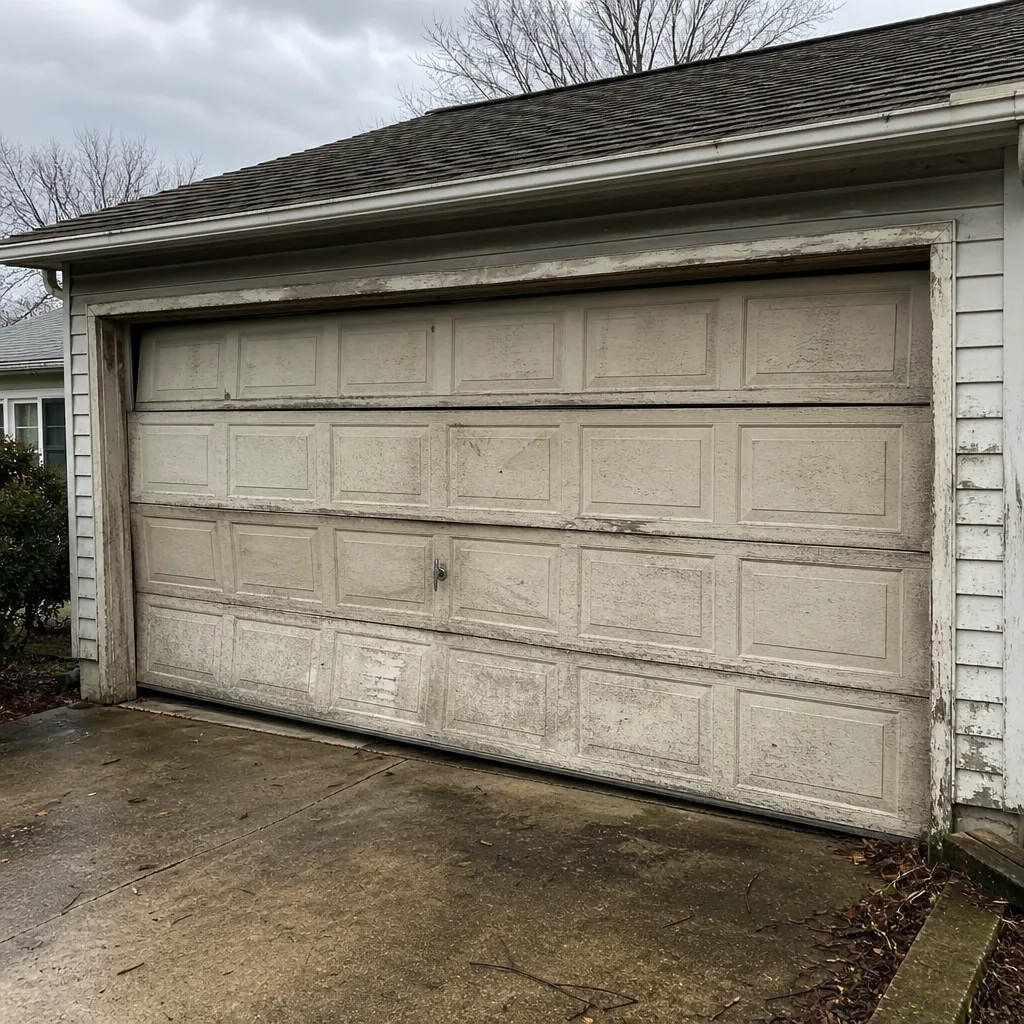 Before
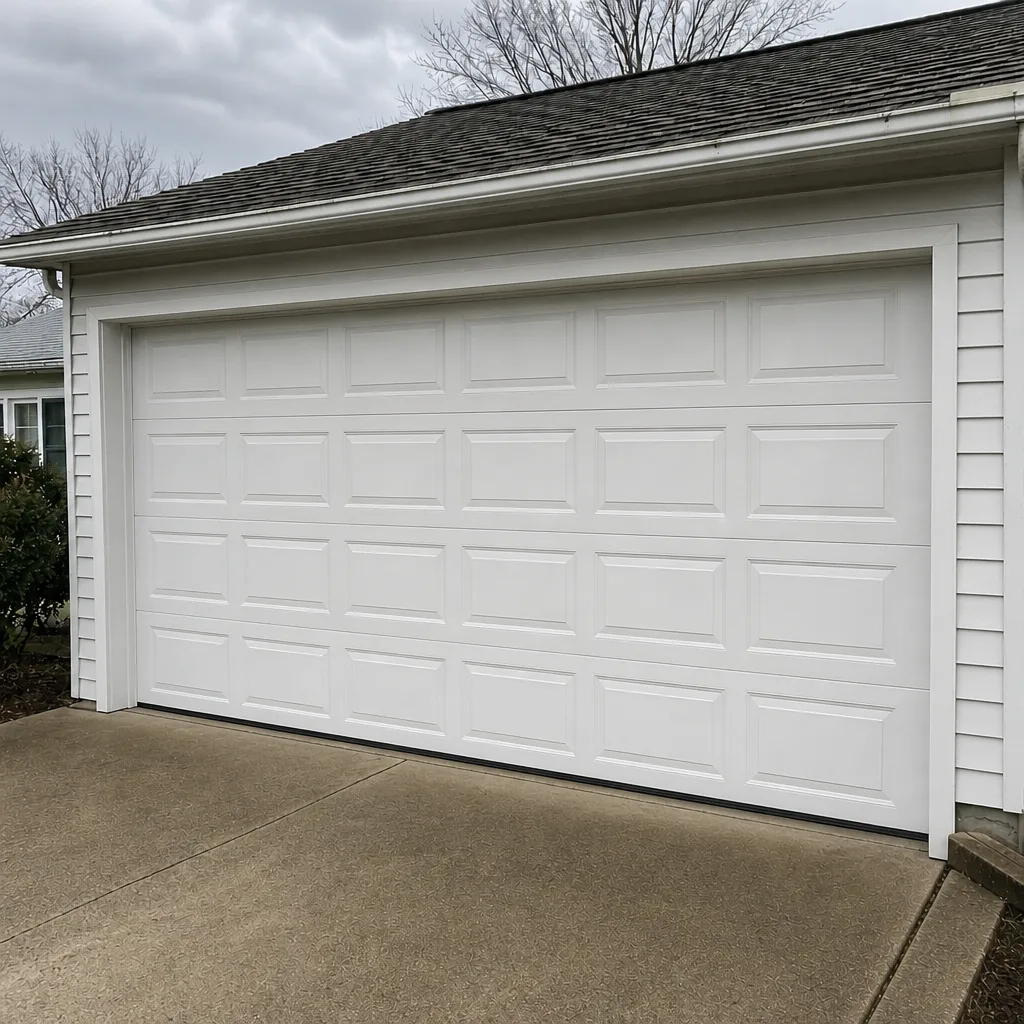 After
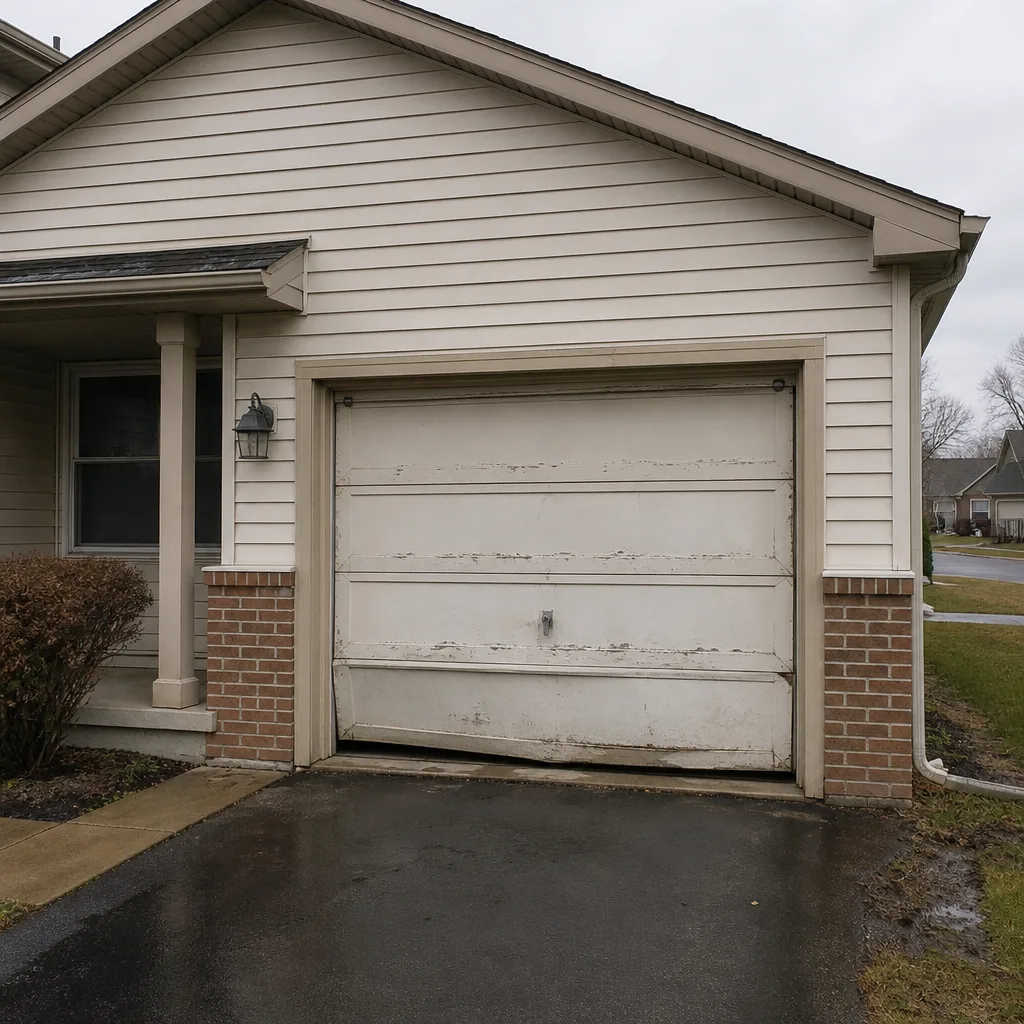 Before
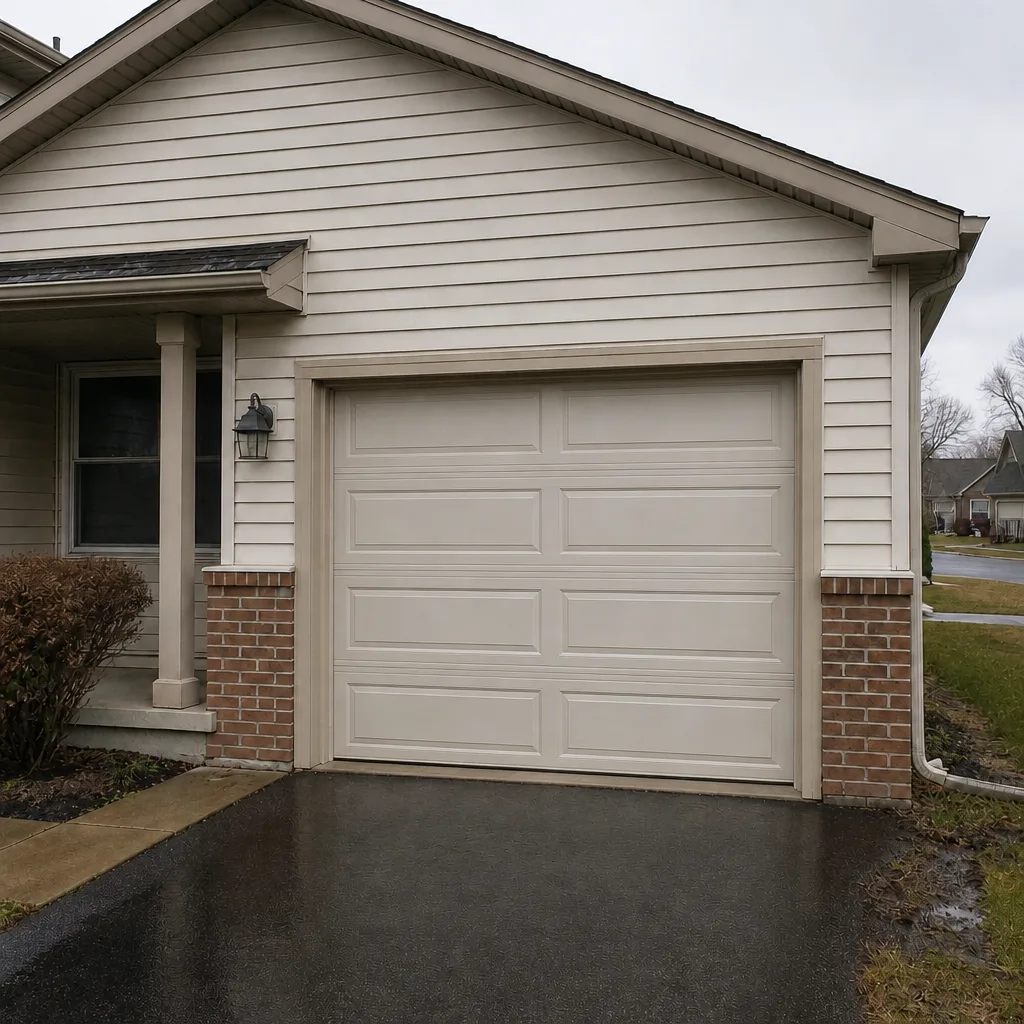 After
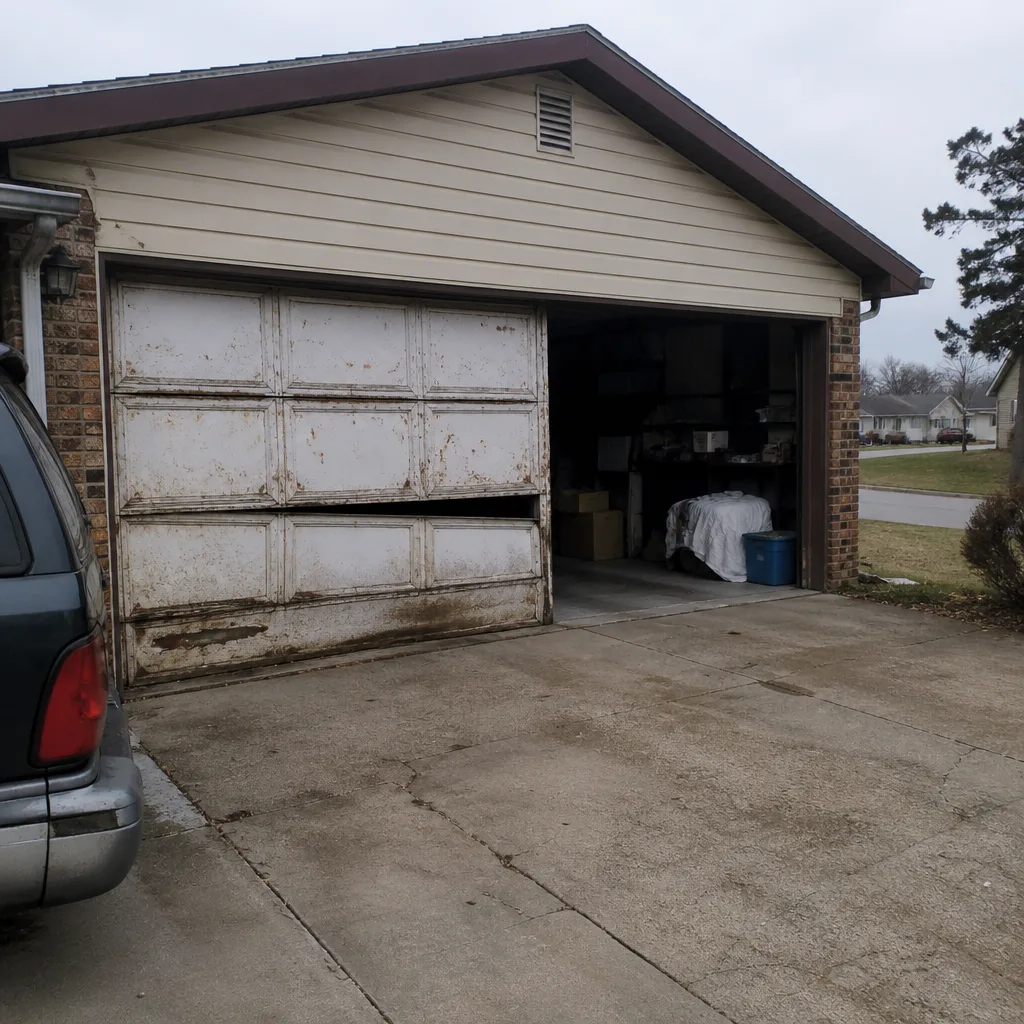 Before
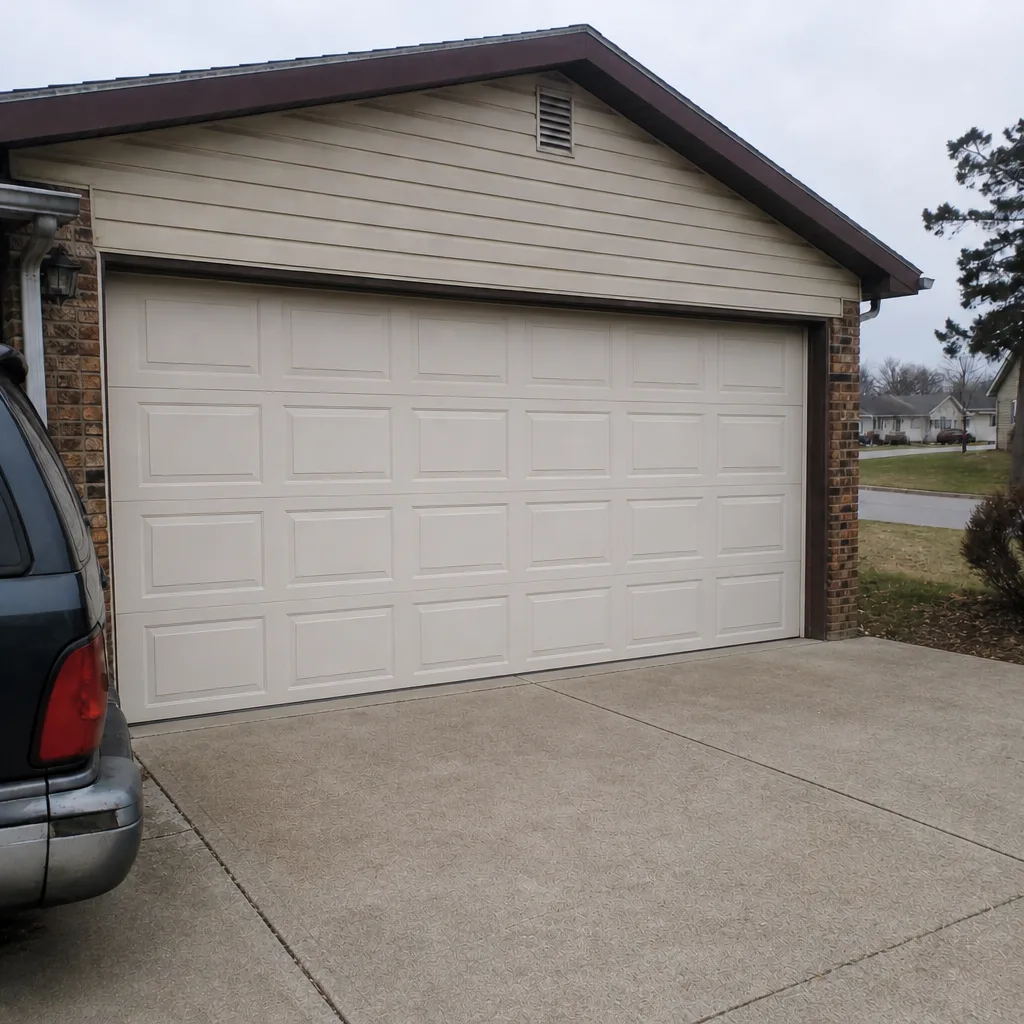 After